
Thermal Imaging
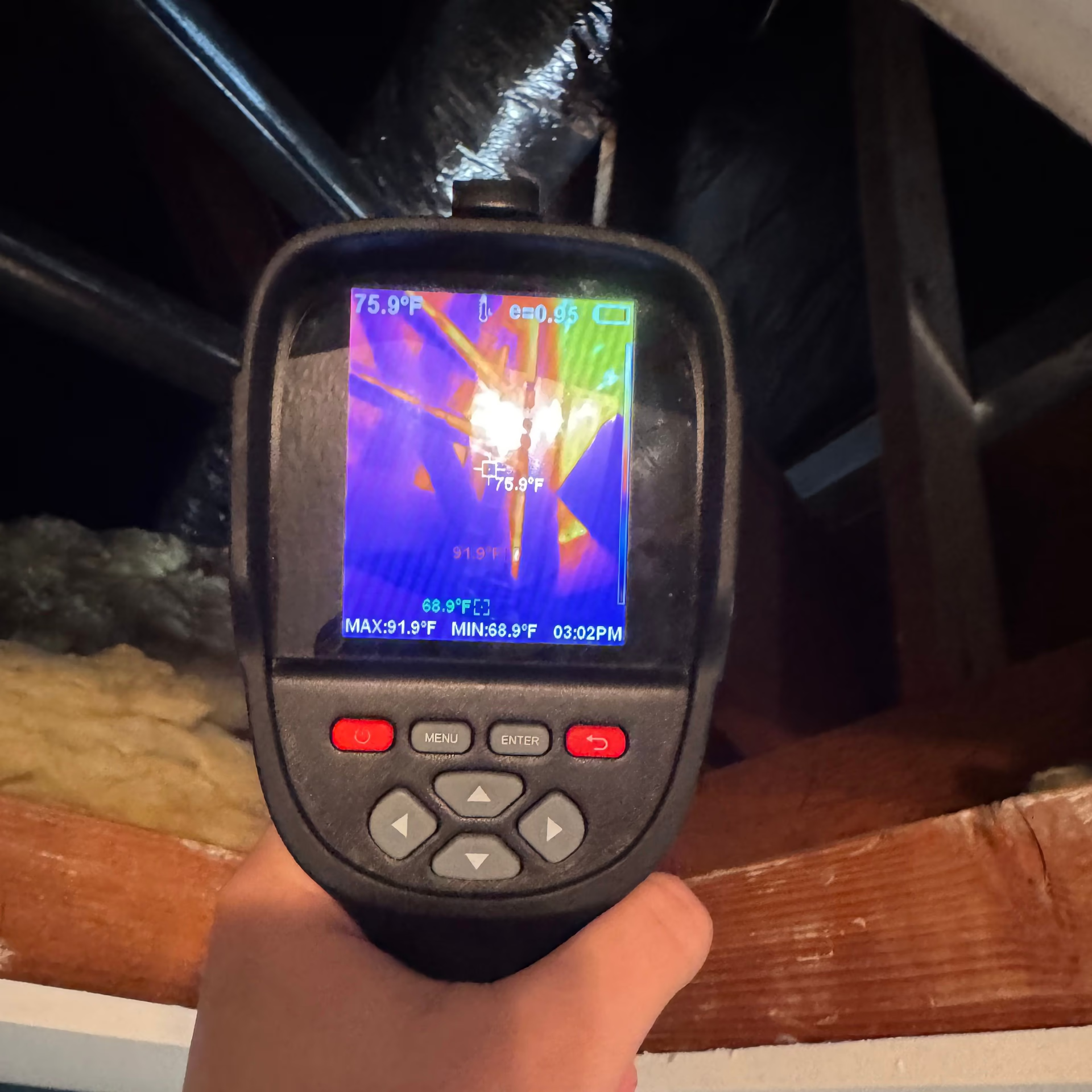
Infrared cameras find hidden mold conditions and water damage before any surface stain shows up.
Overview
Why infrared thermal imaging finds mold others miss
Mold doesn't always announce itself. A small leak inside a wall, a stretch of failed insulation, or a cold-bridge condensation zone can build mold-friendly conditions for months before any stain reaches the surface. Thermal imaging reveals those conditions while they're still hidden, giving you a chance to address the moisture before mold has spread.
Thermal imaging detects:
- —Hidden moisture inside walls, ceilings, and under floors
- —Active leaks from plumbing, roofing, or HVAC components
- —Insulation gaps and ventilation defects driving condensation
- —Cold spots creating ideal future conditions for mold growth
Benefits
What you get from thermal imaging
Find hidden risks early without damaging the property
- —Non-invasive: No drilling, no cutting, no surface damage.
- —Early detection: Catches problems before damage becomes visible.
- —Cost-effective: Targets repairs only where they're needed.
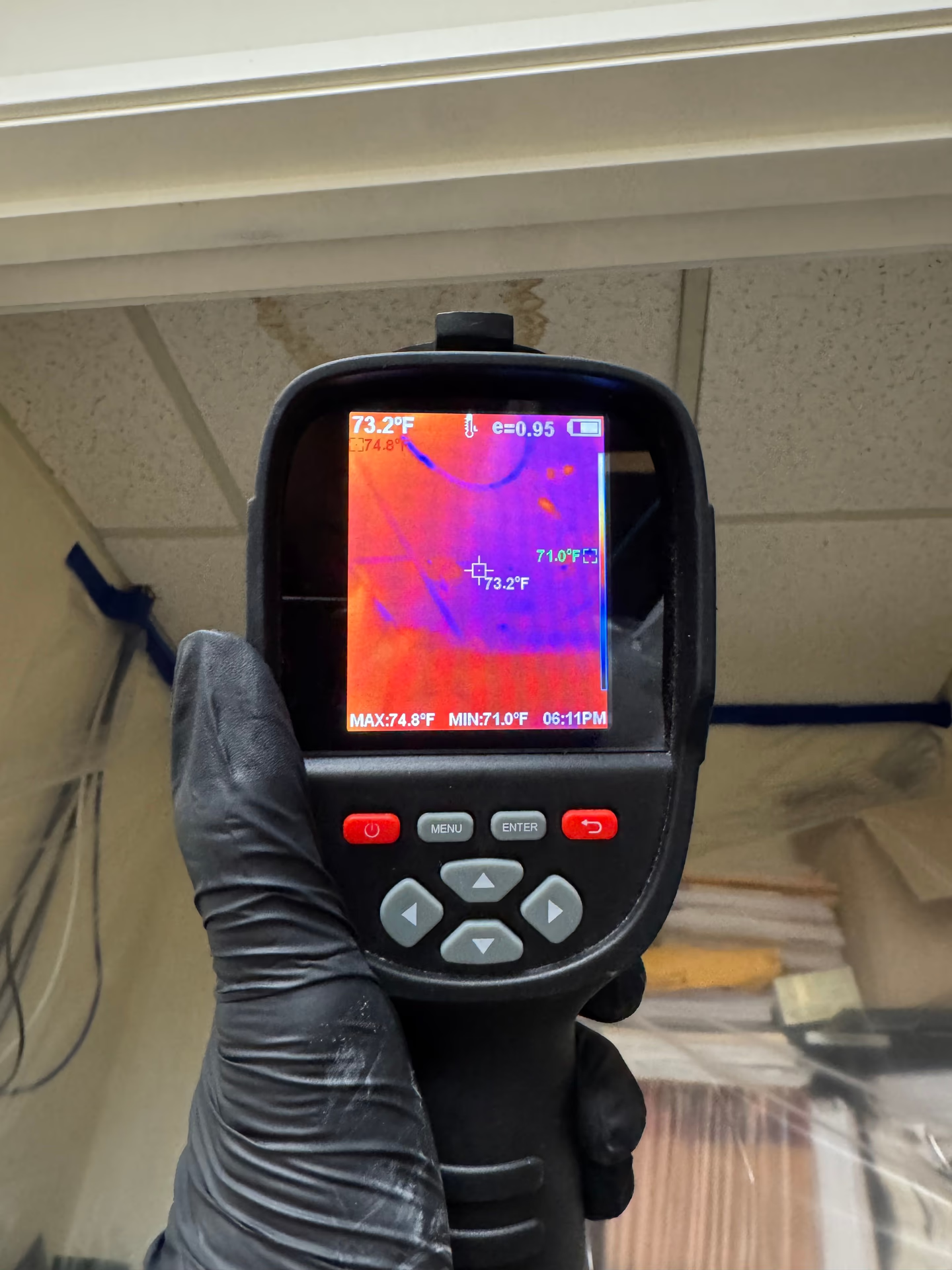
- —Documented findings: Annotated thermal images included in the report.
About
How thermal imaging mold inspection works
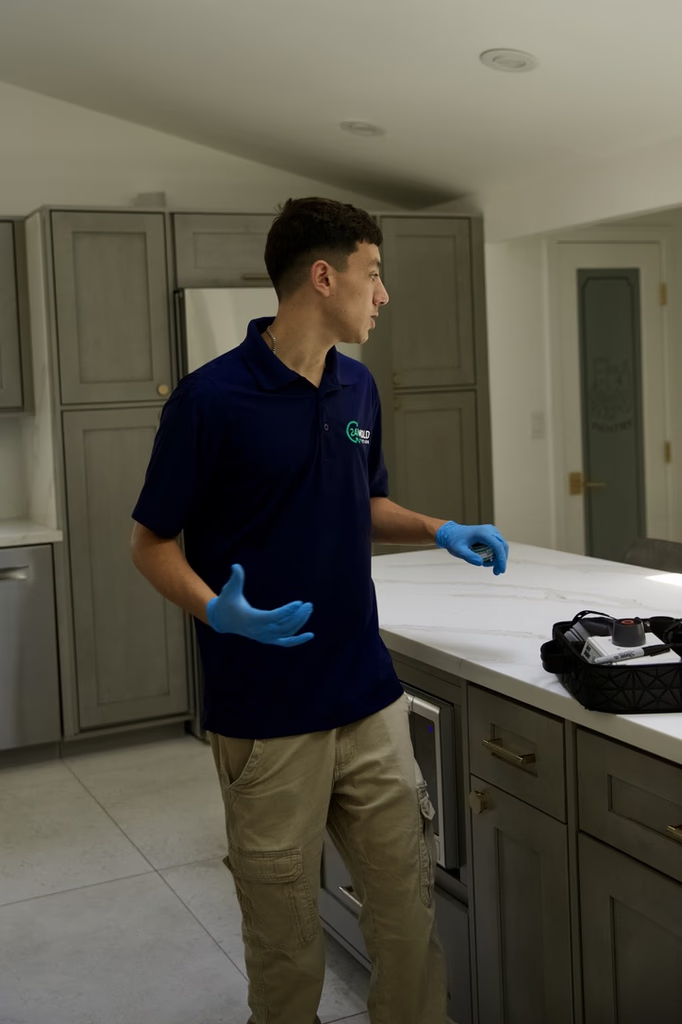
Our certified mold inspectors use FLIR cameras to read temperature differentials across surfaces. Cooler areas often signal water present in the material, even when no surface damage has appeared.
Our process includes:
- —A complete thermal scan of key interior and exterior surfaces
- —Identification of unusual cold or warm patterns in the readings
- —Cross-checking thermal findings with calibrated moisture meters
- —A mold inspection report including the annotated thermal images
Mold inspection Auburn Hills FAQ
Call For An InspectionContact
Book your Auburn Hills mold inspection today
Tell us what's going on and we'll respond the same day
Location
24H Mold Inspection of Auburn Hills
Phone
(947) 262-2855Hours
- MondayOpen 24 hours
- TuesdayOpen 24 hours
- WednesdayOpen 24 hours
- ThursdayOpen 24 hours
- Friday6 AM – 6 PM
- SaturdayClosed
- SundayOpen 24 hours
Service area neighborhoods
- Auburn Hills
- Pontiac (adjacent)
- Rochester Hills (adjacent)
- Orion Township (adjacent)
- Lake Orion (adjacent)
- Avon Township corridor