24H Mold Inspection
Yorba Linda24/7 EMERGENCY(714) 970-4995
HomeOur ServicesMold InspectionThermal Imaging
Mold Inspection

Thermal Imaging

Infrared cameras find hidden mold conditions and water damage before any surface stain shows up.

Overview

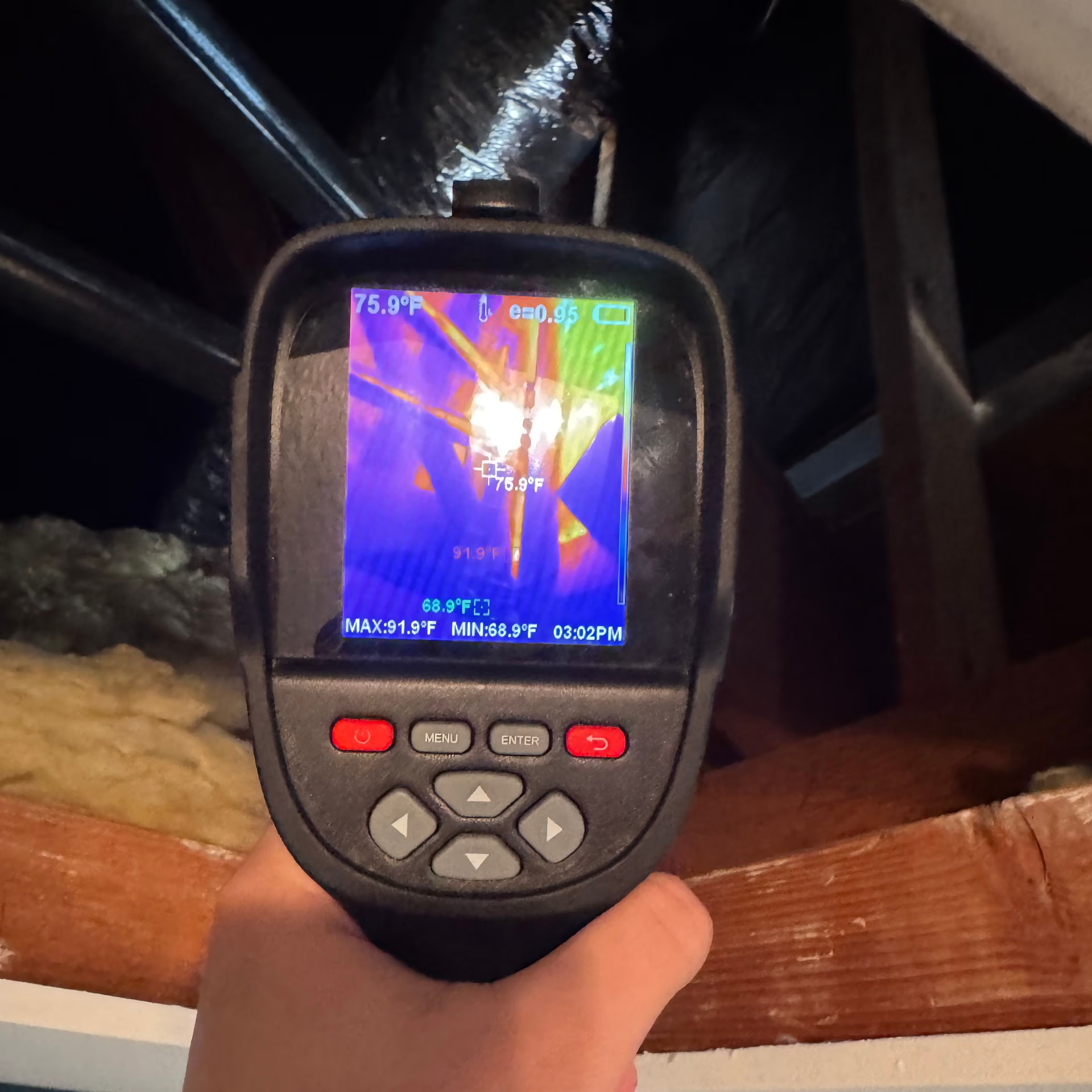
Why infrared thermal imaging finds mold others miss

Mold doesn't always announce itself. A small leak inside a wall, a stretch of failed insulation, or a cold-bridge condensation zone can build mold-friendly conditions for months before any stain reaches the surface. Thermal imaging reveals those conditions while they're still hidden, giving you a chance to address the moisture before mold has spread.

Thermal imaging detects:

  • Hidden moisture inside walls, ceilings, and under floors
  • Active leaks from plumbing, roofing, or HVAC components
  • Insulation gaps and ventilation defects driving condensation
  • Cold spots creating ideal future conditions for mold growth
Why infrared thermal imaging finds mold others miss
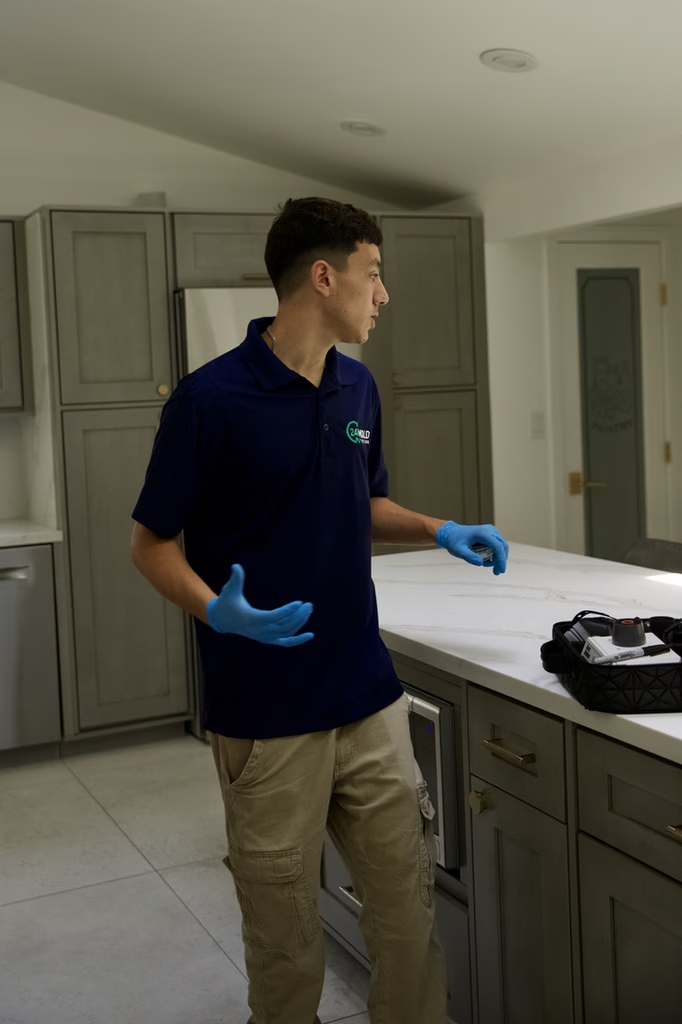
Mold inspector at work

Benefits

What you get from thermal imaging

Find hidden risks early without damaging the property

  • Non-invasive: No drilling, no cutting, no surface damage.
  • Early detection: Catches problems before damage becomes visible.
  • Cost-effective: Targets repairs only where they're needed.
  • Documented findings: Annotated thermal images included in the report.

About

How thermal imaging mold inspection works

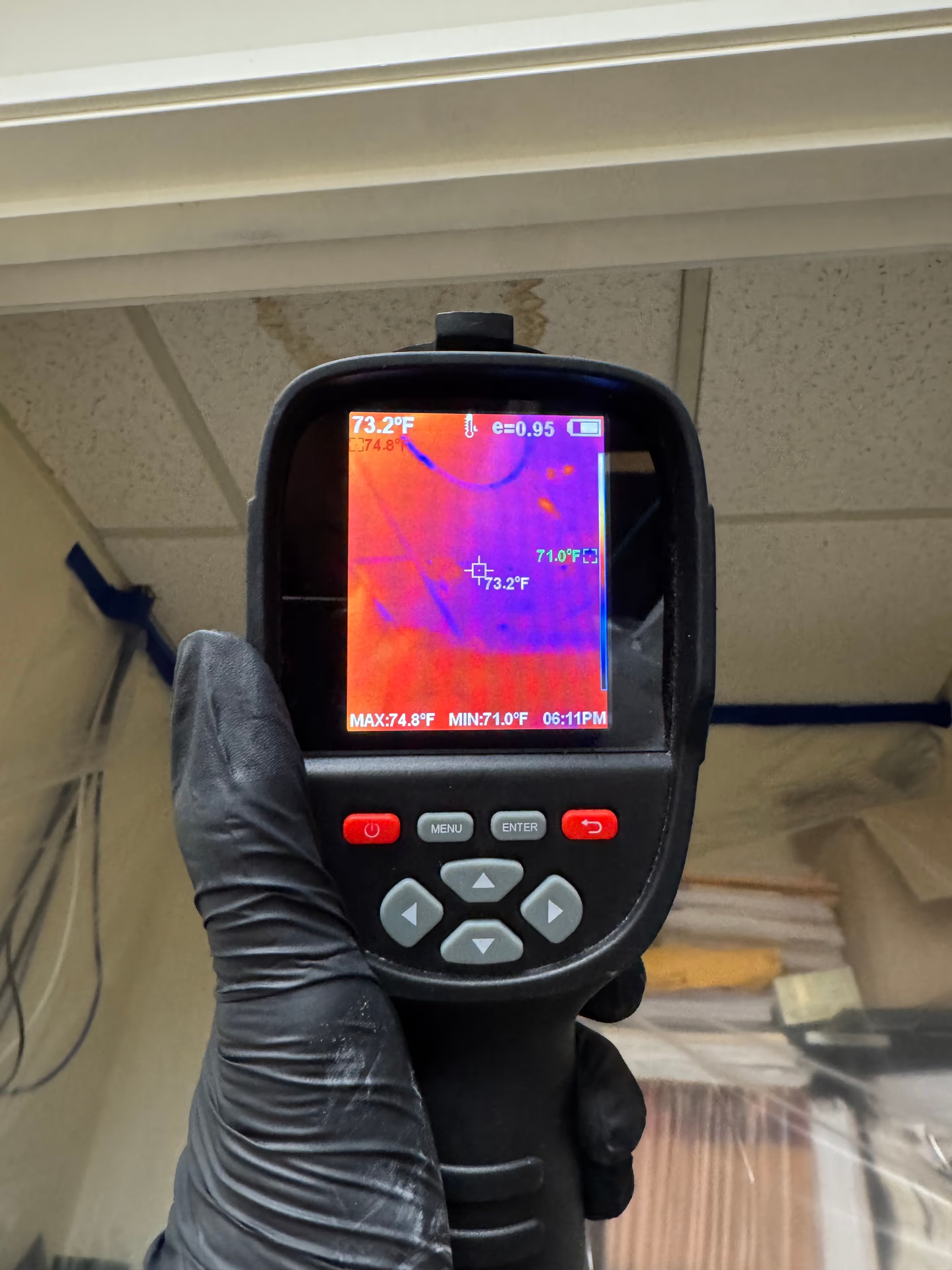
Our certified mold inspectors use FLIR cameras to read temperature differentials across surfaces. Cooler areas often signal water present in the material, even when no surface damage has appeared.

Our process includes:

  • A complete thermal scan of key interior and exterior surfaces
  • Identification of unusual cold or warm patterns in the readings
  • Cross-checking thermal findings with calibrated moisture meters
  • A mold inspection report including the annotated thermal images
How thermal imaging mold inspection works

Mold inspection Yorba Linda FAQ

Call For An Inspection
Yorba Linda's eastern hills back onto Chino Hills open space, and in November 2008 the Freeway Complex Fire, driven by fierce offshore winds, destroyed roughly 113 homes here — some lots, in areas like Hidden Hills, were never rebuilt. Beyond ordinary hillside drainage, a burn scar changes how water moves: fire-hardened soils shed rather than absorb rain, sending more post-storm runoff toward foundations and slopes, and the rebuilt-among-survivors housing mix means construction ages and drainage details vary lot to lot. Foothill properties benefit from an inspection focused on slope drainage, foundation and retaining-wall moisture, and any history of post-fire runoff intrusion.
East Lake Village is built around a large man-made lake, with homes, condos, and greenbelts sited close to the water and its engineered edges. That constant body of water, plus the community's irrigation and water features, keeps ambient humidity and ground moisture elevated around the lakeside structures in ways the drier hillside tracts don't share. The extra moisture works into slabs, lower walls, and crawl spaces, and can support mold without any single leak. Lakeside and greenbelt-adjacent homes benefit from an inspection focused on slab and ground-contact moisture and indoor humidity, particularly on the water-facing side of the home.
True to its "Land of Gracious Living" identity, Yorba Linda threads more than a hundred miles of trails — including equestrian routes — through its neighborhoods, alongside horse properties and larger rural-residential lots. These bring barns, stables, and outbuildings into the picture, where constant water use — wash racks, troughs, hoses — and limited ventilation create moisture conditions a standard home walkthrough wouldn't catch. Damp tack rooms, feed storage, and the transitions between outbuildings and living space are common trouble spots. An inspection of an equestrian property extends beyond the house to these structures and their water and ventilation.
They can, for reasons tied to how they were built. Vista del Verde, Kerrigan Ranch, Bryant Ranch, and Travis Ranch are newer master-planned communities built from the 1990s onward on former citrus and ranch land, many gated and some fronting golf. Newer, tightly sealed construction traps interior humidity when ventilation falls short, so moisture from daily living accumulates in wall cavities and around windows, and heavy landscape irrigation on the graded lots keeps water moving around foundations and slopes. Even a newer home can develop hidden mold from trapped indoor humidity, a window-flashing or envelope defect, or slope moisture at the foundation.
The older core along Yorba Linda Boulevard holds the city's historic center and the Richard Nixon birthplace and library — including a 1910s Craftsman bungalow — plus the boulevard's commercial buildings. These older residential and commercial structures carry aging plumbing, roofing, and additions that make hidden, slow-developing moisture more likely than in the newer tracts. Original supply lines develop behind-wall leaks, older roofs and their many patches let water into attics and wall tops, and additions built over the decades create transitions where water intrudes. An inspection of an older Yorba Linda home focuses on the plumbing, roof-and-attic, and any added-on sections.
If your home saw drainage problems or intrusion, yes. Yorba Linda's varied hillside and graded terrain makes drainage performance the key factor during Southern California's episodic winter storms — water that isn't carried away concentrates against foundations, retaining walls, and lower-level walls, and mold can begin within 24 to 48 hours of saturation. Wind-driven rain also forces water through roof, window, and stucco gaps, and on foothill lots post-storm runoff adds mud and water. Because the damage is often hidden inside walls, under flooring, or around the foundation rather than visible, a home that looked fine after a storm can still be developing mold. A moisture assessment after a wet winter catches it early.
Yorba Linda's mix of foothill homes, lakeside properties, equestrian lots, newer ranch tracts, and older Old Town homes means the inspection depends on the property. Priorities range from slope drainage and foundation moisture on hillside and foothill lots, to slab and humidity checks near East Lake Village's water, to barns and outbuildings on equestrian properties, to trapped indoor humidity and irrigation moisture in newer ranch communities, to aging plumbing and roofing in Old Town homes. On foothill lots it's worth confirming any post-fire runoff history. Because many homes have been landscaped, graded, and remodeled heavily, older water damage can be covered over. An independent inspection — with no stake in remediation — matches the check to the property and gives a clear moisture picture before closing.

Contact

Book your Yorba Linda mold inspection today

Tell us what's going on and we'll respond the same day

Location

24H Mold Inspection of Yorba Linda

Service area neighborhoods

  • East Lake Village
  • Travis Ranch
  • Kerrigan Ranch
  • Vista del Verde
  • Bryant Ranch
  • Hidden Hills
  • Yorba Linda Country Club area
  • Carbon Canyon vicinity
Call For Service(714) 970-4995