24H Mold Inspection
Tustin24/7 EMERGENCY(657) 822-1885
HomeOur ServicesMold TestingAir Testing
Mold Testing

Air Testing

Mold air testing detects airborne spores and assesses indoor air quality, even in spaces where no visible contamination has shown up yet.

Overview

Why mold air testing matters

Most mold is invisible. Spores float undetected through ducts and doorways, spreading from room to room with the air itself. Air testing reveals the species and concentration of what's airborne, even when no visible growth is found on any surface.

Mold air testing detects:

  • —Invisible mold spores circulating through the air
  • —Differences in spore levels from one room to the next
  • —Contamination inside HVAC systems and hard-to-reach areas
  • —Early warning signs in rooms that appear unaffected
Why mold air testing matters
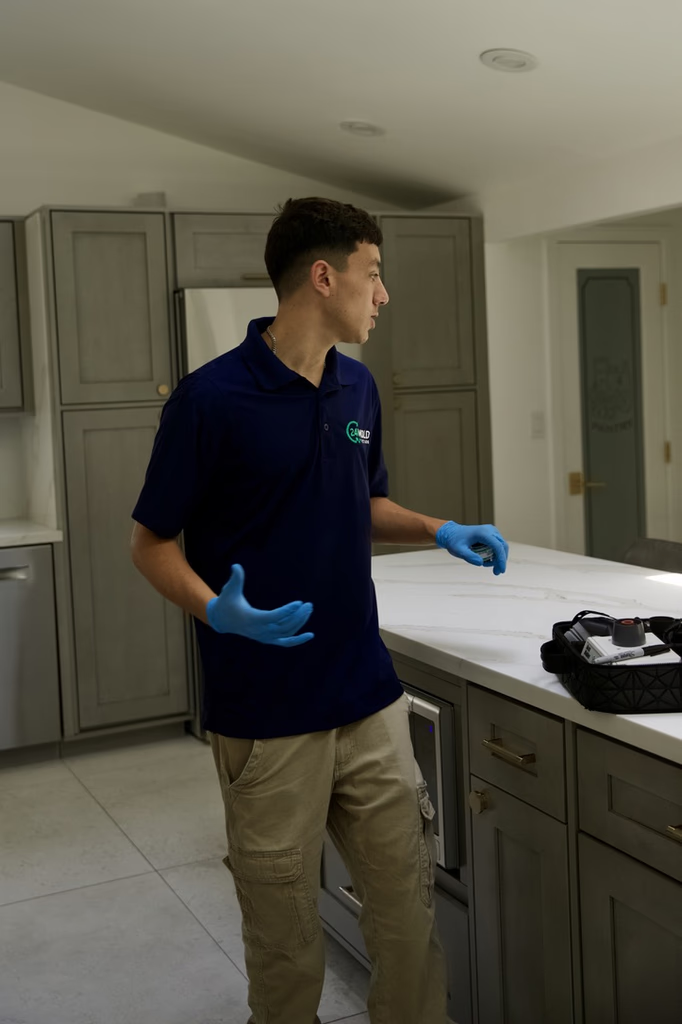
Mold inspector at work

Benefits

What you get from air testing

Understand the air quality and find what your eyes can't

  • —Non-invasive: No drilling, no surface damage, no demolition needed.
  • —Early detection: Catch contamination before it spreads or symptoms start.
  • —Data-driven: Measure and compare spore counts room by room with lab-verified results.
  • —Defensible documentation: State-certified lab results that hold up for insurance and real estate use.

About

How mold air testing works

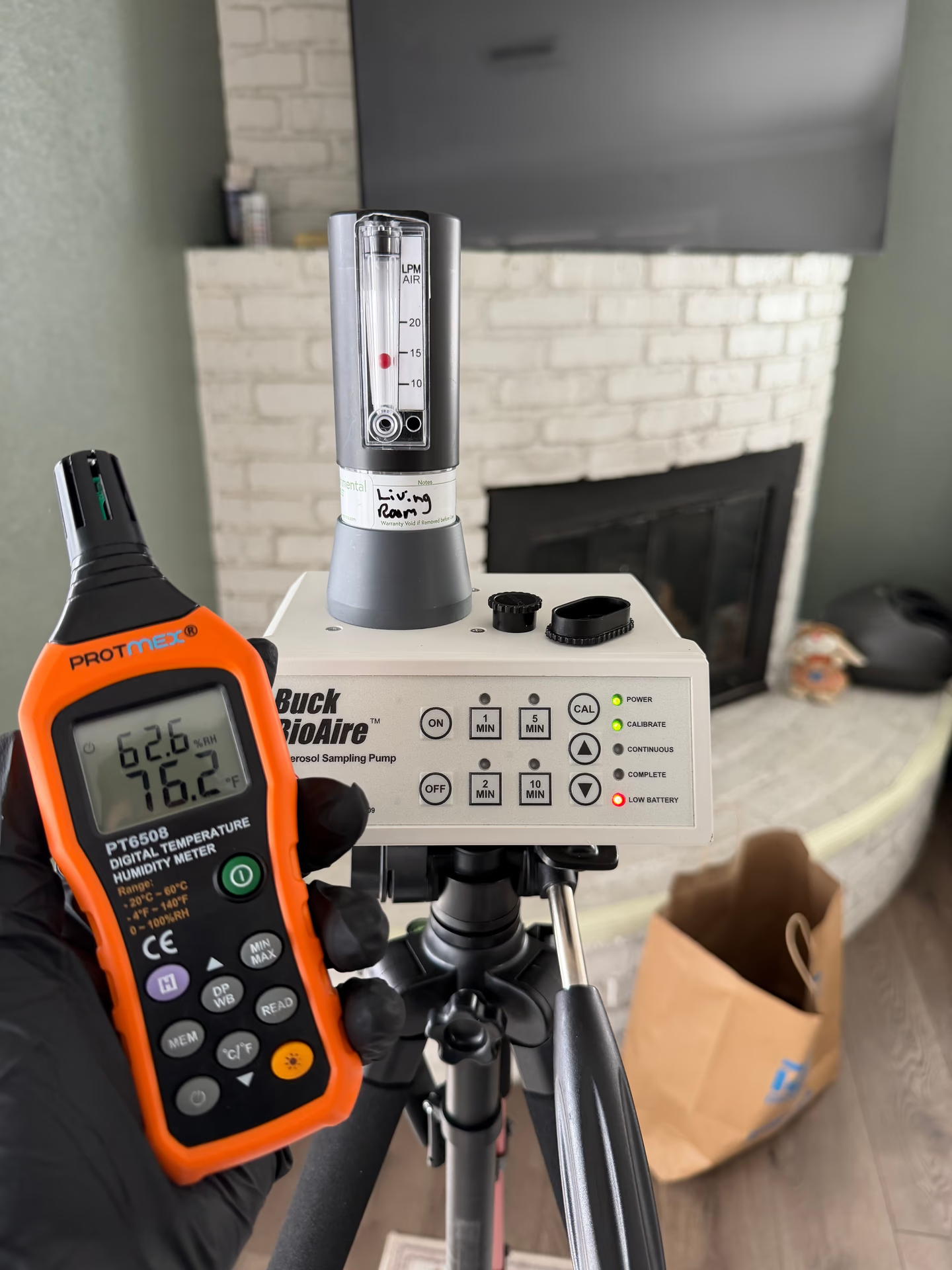
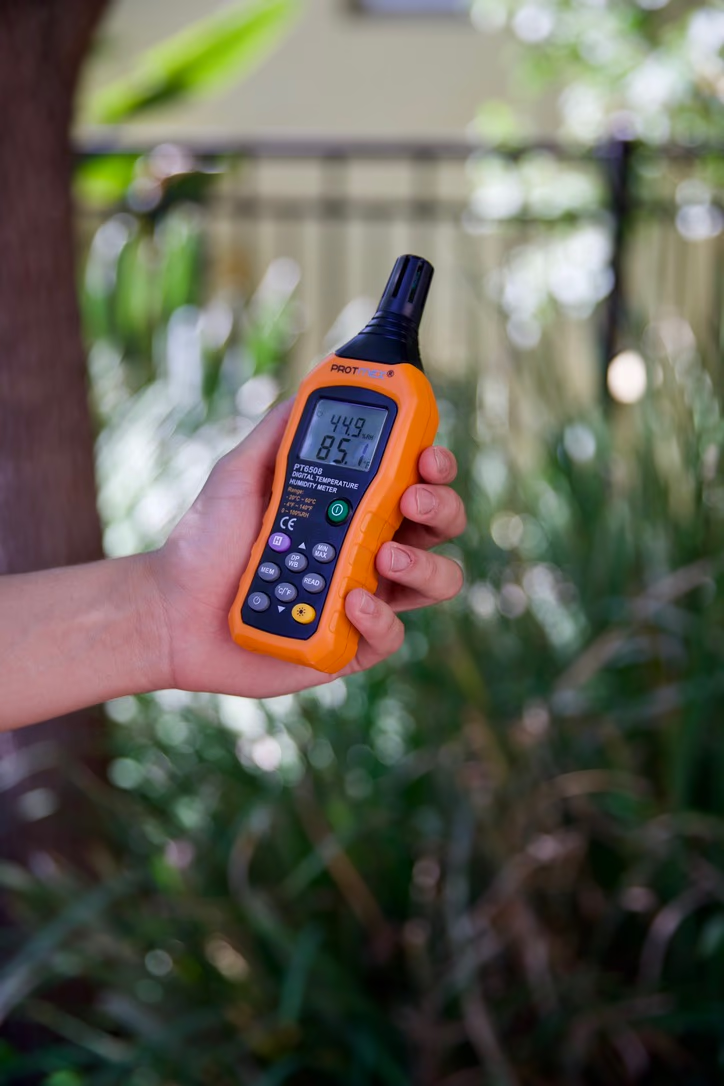
Our certified mold inspectors use calibrated sampling pumps to draw air through a spore trap cassette, capturing airborne mold spores. The lab identifies the mold species under a microscope, including any HVAC contamination if the system is implicated.

Our process includes:

  • —Targeted sampling in problem areas and comparison sampling outdoors
  • —Spore traps or impactor cassettes calibrated for accurate collection
  • —Lab-verified results identifying species and spore counts
  • —A written mold inspection report with the numbers and next steps
How mold air testing works

Mold inspection Tustin FAQ

Call For An Inspection
Old Town Tustin's Victorian and Craftsman homes from the 1880s through 1920s carry moisture risks that newer construction doesn't share. Original or early-replacement cast-iron plumbing develops slow leaks inside wall cavities that are invisible until the drywall shows damage. Foundation walls from this era were built without waterproofing membranes and allow ground moisture to migrate through in wet seasons. Chimneys on these properties have been through multiple relining and cap replacement cycles, and each repair creates new transitions where old and new materials meet — the most common entry point for sustained water intrusion. Pre-purchase inspections on Old Town Tustin properties should specifically assess the foundation condition, chimney, and any basement or below-grade space.
For properties on the former Marine Corps Air Station Tustin, the development history is relevant context for a moisture inspection. Military base redevelopment involves remediated soil and drainage systems designed around former industrial land use, and the concrete slabs, below-grade utilities, and drainage infrastructure on converted military land carry histories that standard residential development on clean land doesn't. The Legacy's newer residential construction is also entering the age where original building envelope systems — roofing, window seals, HVAC — begin to show first failures. The inspection documents the moisture condition and its source in the current structure; soil and environmental conditions are outside mold inspection scope and belong to a licensed environmental consultant.
HOA-managed communities in Tustin Ranch carry a specific moisture risk profile that individual-maintenance properties don't share. HOA irrigation systems run on fixed schedules regardless of rainfall, keeping soil moisture elevated against foundations year-round in a way that owner-managed irrigation typically doesn't. Shared drainage infrastructure means a blocked catch basin or failed common-area drain affects multiple properties simultaneously — and the HOA's maintenance schedule determines when that failure gets addressed rather than the individual homeowner's immediate response. When a moisture problem originates in a shared HOA system rather than within an individual unit, the inspection findings establish which party is responsible for the remediation — a question with significant financial implications in Tustin Ranch's active resale market.
In attached construction it's among the more consistent findings, and the mechanism is shared wall migration rather than individual unit failure. A failed roof section above a Tustin Meadows or Columbus Grove unit allows water to travel down the shared wall assembly and appear in an adjacent unit months after the source event. A plumbing stack failure in one unit affects the units above and below on the same vertical line. HOA-managed exterior maintenance means individual homeowners have limited visibility into when their section of shared roofing or siding was last inspected. The inspection approach for attached construction documents the moisture finding and identifies whether the source is within the unit or in a shared building system — a distinction that determines whether the HOA or the individual owner is responsible.
Post-remediation verification is an independent inspection confirming that a remediation contractor's work succeeded — the affected area was cleared, the moisture source was controlled, and spore counts are back within normal range. In Tustin's HOA communities, it's particularly important because HOA boards often initiate remediation on shared systems and need independent confirmation that the contractor's work is complete before closing out the association's liability. Because 24H Mold Inspection never performs remediation, the verification has no stake in the contractor's work passing — we report what we find. It's also what insurers and buyers increasingly require before closing on a property with disclosed mold history.
Our Tustin team covers all of Tustin — Old Town, Tustin Legacy, Tustin Ranch, Columbus Grove, Peppertree, Tustin Meadows, and the Lemon Heights and Cowan Heights unincorporated communities above the city — with same-day and next-day appointments and 24/7 emergency response. Several neighboring cities have their own dedicated 24H Mold Inspection pages: Santa Ana, Irvine, and Orange each have separate coverage with their own local teams. If your property is in one of those cities, that page will have the most relevant local information.
Inspection and testing only — we never perform mold removal or remediation. In Tustin's HOA communities, where the question of whether moisture originated in a shared building system or inside an individual unit determines who pays for the remediation, a report from a company with no cleanup work to sell is the only one that carries weight with both the HOA board and the individual unit owner. What you receive is the diagnosis: extent of growth, moisture source, lab-confirmed species, and a written scope that all parties can use to evaluate contractor proposals on equal terms.

Contact

Book your Tustin mold inspection today

Tell us what's going on and we'll respond the same day

Location

24H Mold Inspection of Tustin

Service area neighborhoods

  • Old Town Tustin
  • Tustin Legacy
  • Tustin Ranch
  • Columbus Grove
  • Peppertree
  • Tustin Meadows
  • Lemon Heights
  • Cedar Grove
Call For Service(657) 822-1885