24H Mold Inspection
Tujunga24/7 EMERGENCY(747) 327-2757
HomeOur ServicesMold TestingAir Testing
Mold Testing

Air Testing

Mold air testing detects airborne spores and assesses indoor air quality, even in spaces where no visible contamination has shown up yet.

Overview

Why mold air testing matters

Most mold is invisible. Spores float undetected through ducts and doorways, spreading from room to room with the air itself. Air testing reveals the species and concentration of what's airborne, even when no visible growth is found on any surface.

Mold air testing detects:

  • Invisible mold spores circulating through the air
  • Differences in spore levels from one room to the next
  • Contamination inside HVAC systems and hard-to-reach areas
  • Early warning signs in rooms that appear unaffected
Why mold air testing matters
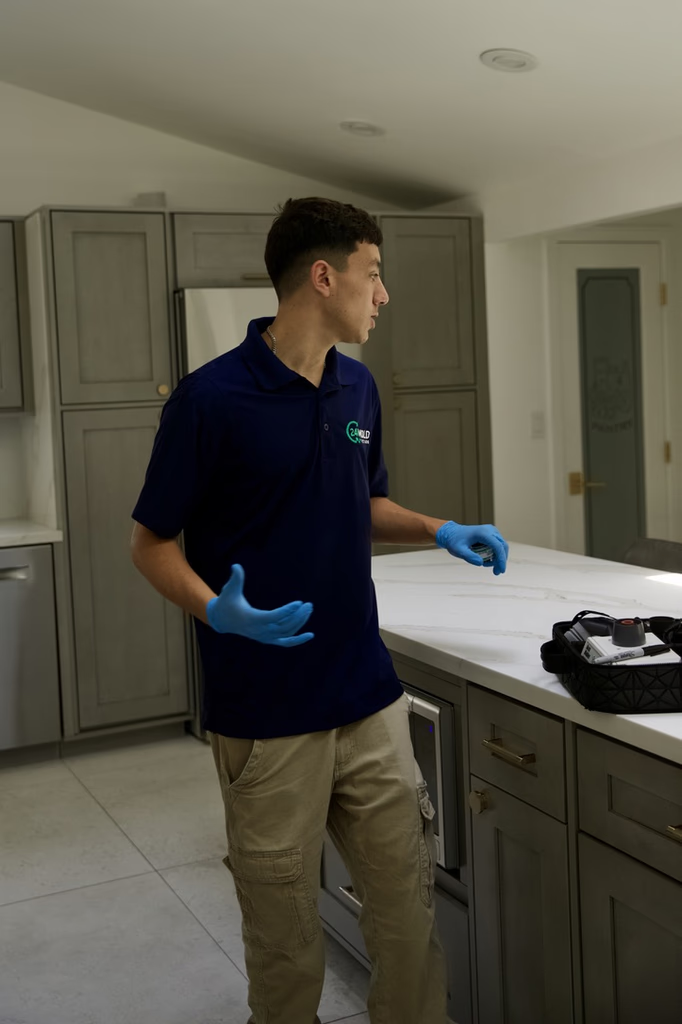
Mold inspector at work

Benefits

What you get from air testing

Understand the air quality and find what your eyes can't

  • Non-invasive: No drilling, no surface damage, no demolition needed.
  • Early detection: Catch contamination before it spreads or symptoms start.
  • Data-driven: Measure and compare spore counts room by room with lab-verified results.
  • Defensible documentation: State-certified lab results that hold up for insurance and real estate use.

About

How mold air testing works

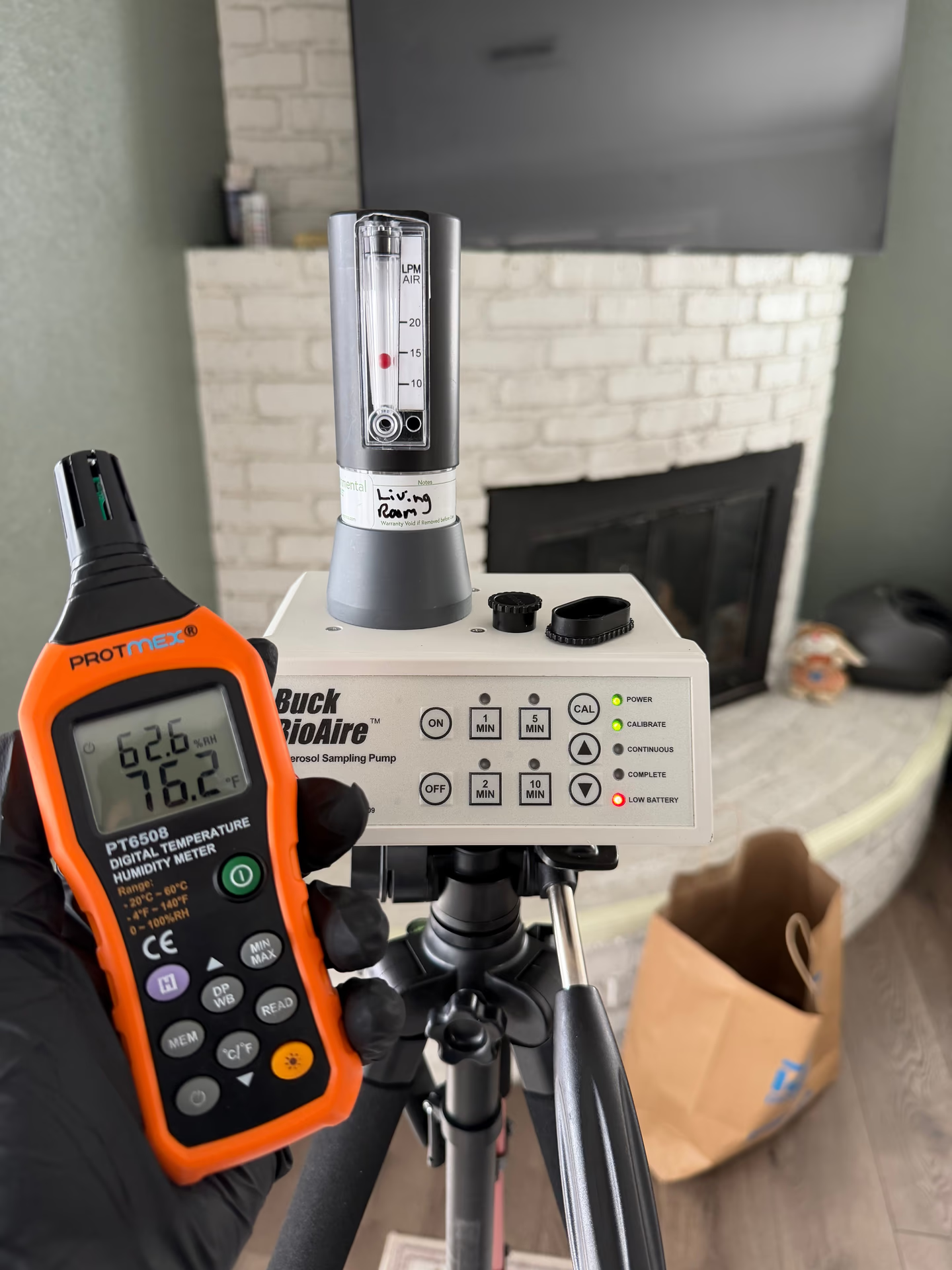
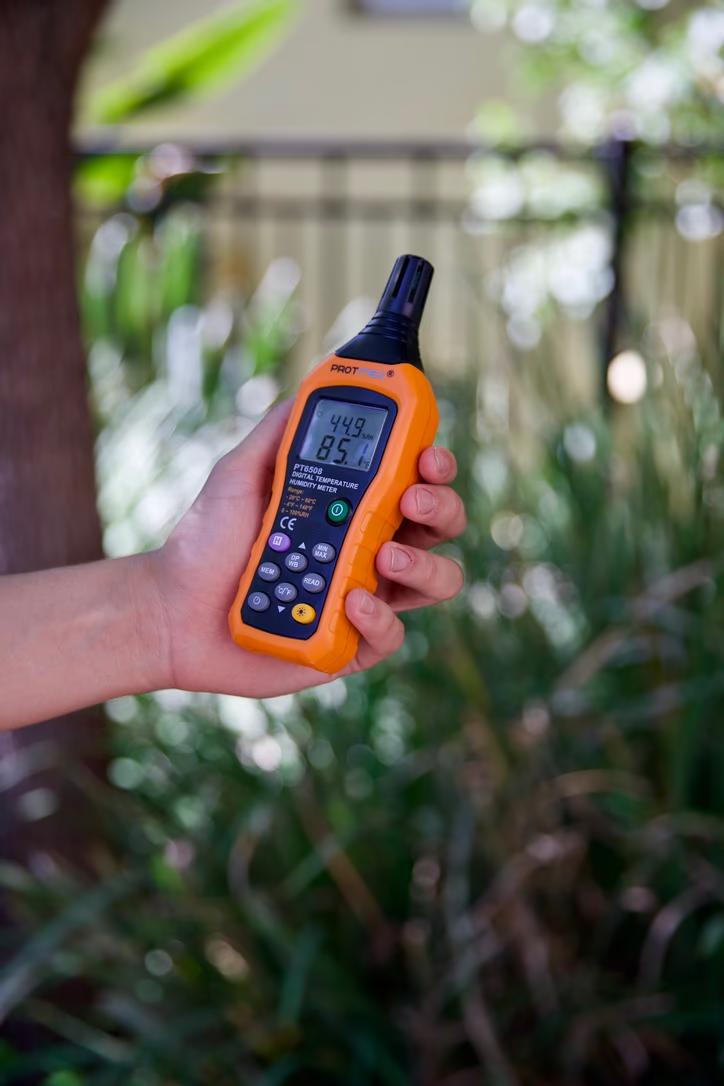
Our certified mold inspectors use calibrated sampling pumps to draw air through a spore trap cassette, capturing airborne mold spores. The lab identifies the mold species under a microscope, including any HVAC contamination if the system is implicated.

Our process includes:

  • Targeted sampling in problem areas and comparison sampling outdoors
  • Spore traps or impactor cassettes calibrated for accurate collection
  • Lab-verified results identifying species and spore counts
  • A written mold inspection report with the numbers and next steps
How mold air testing works

Mold inspection Tujunga FAQ

Call For An Inspection
We work the whole foothill corridor out of Tujunga — Sunland, Shadow Hills, Lake View Terrace, Sun Valley, Pacoima, and east into La Crescenta and La Cañada Flintridge, with Glendale and Burbank on the other side of the Verdugos. It matters that these are different problems within a few miles of each other. Up here the water arrives from above: canyon runoff, failed hillside drains, and slopes that shed storms faster than they used to since the fires. Drop down toward Hansen Dam and Pacoima and the ground flattens into deep alluvial fan deposits, where the housing is post-war slab-on-grade and moisture tends to come up through the slab or in at the perimeter rather than down the hill. Same inspection process, different places to point the meter. Appointments are usually same-day, and we answer emergency calls around the clock.
On a Tujunga hillside or canyon property it is the most useful thing you can spend a contingency period on, because so much of what determines the risk is invisible in a summer walkthrough. We look at where the water is meant to go: terrace and area drains, the outlets that should be daylighting downhill, subdrains behind retaining walls, and whether the pad still slopes away from the house after decades of settlement. Inside, we read moisture at the base of uphill walls and in any lower level or garage cut into the slope, and we go into crawl spaces rather than describing them from the hatch. Older Tujunga homes have usually been added onto more than once, often by owners, and the seams between the original house and that work are where storm water gets in. Buying between May and October means you cannot watch the water move — so we read the evidence it leaves: staining, efflorescence, silt lines, and rust at the base of framing.
They do, and usually not in the way people expect. Homes that survive a fire still take on water — from suppression hose streams driven under eaves and into attic vents, from roof damage nobody noticed while the smoke was the emergency, and from the season that follows, because a burn scar sheds rain instead of absorbing it. The Station Fire in 2009, the Creek Fire above Sunland-Tujunga in 2017, and the La Tuna Fire on the Verdugo side that same year all sent water and sediment down slopes that had held it before. The second thing we sort out is odor: smoke residue and mold both read as musty, and owners frequently attribute one to the other. Testing separates them, which matters for an insurance claim, since the two are handled differently. If your home sits in or below a burn area, the attic, the uphill wall, and any crawl space are the first places to check.
Someone with no stake in the outcome, which is the whole reason we stay out of remediation. Post-remediation verification happens while containment is still standing: a visual check that the affected materials actually came out, moisture readings confirming the assembly has dried to a normal range rather than merely looking dry, and air samples run against an outdoor baseline taken the same day. If a contractor inspects, removes, and then clears their own work, none of those three steps means much. There is a Tujunga-specific wrinkle worth knowing. When the source was hillside drainage, a canyon-facing wall, or storm intrusion at an addition, clearing the air in August tells you the cleanup was done — not that the water is fixed. The real test comes with the first significant storm, so if the drainage repair was deferred, plan on a follow-up moisture check that winter rather than assuming the file is closed.
Start by knowing what does not exist: California has no state license for mold inspection or assessment, so there is no license number to look up the way there is for a contractor. That puts the burden on you. Ask for third-party certification through a recognized body, proof of general liability and errors-and-omissions coverage, and confirmation that samples go to an independent, accredited laboratory under a documented chain of custody rather than to something in-house. Ask directly whether the company also sells remediation — if it does, the person defining the scope of work is also bidding it. Be skeptical of anyone offering an instant pass-or-fail verdict on the spot, since the state sets no numeric exposure limits for mold and interpretation always depends on the outdoor baseline. For Tujunga specifically, ask whether they will actually enter crawl spaces, walk a slope, and pull the drain outlets — a hillside inspection done from the driveway is not an inspection.
Tujunga sits inside the City of Los Angeles, which gives you more to work with than tenants in the unincorporated areas nearby. Habitability complaints go to the Los Angeles Housing Department, whose inspectors can cite a substandard condition, and most buildings put up before October 1978 fall under the city's rent stabilization ordinance. State law backs this up: visible mold has been listed as a substandard housing condition in California's Health and Safety Code since 2016, so the age of the building is no defense. Practically, build the record. Give written notice and keep a copy, photograph the growth with dates, and get an independent inspection with moisture readings and lab-analyzed samples — a report from a company that does not sell remediation is hard to wave off as a sales pitch. Much of Tujunga's rental stock is converted garages, back houses, and lower levels dug into a slope, and those are exactly the spaces where we find genuine, documentable problems.
They deserve the closest look on the property. Tujunga's deep lots and long history of owner-built work mean an unusual concentration of converted garages, back houses, and rooms added on across the decades, plenty of it done without permits and later sold as finished square footage. A garage slab was poured to be hosed out: no vapor barrier under it and a slope toward the driveway. Put flooring, framing, and drywall on that and ground moisture moves straight up into the new assembly. Additions bring their own weak point at the roof-to-wall transition, where old and new construction meet and flashing is either wrong or missing. On a sloped Tujunga lot, a room cut into the hillside behind the house is worse still, because the uphill wall is holding back wet ground with no waterproofing or drainage designed for the job. We meter those walls, check the transitions, and trace where the addition sends its roof water before anything else.

Contact

Book your Tujunga mold inspection today

Tell us what's going on and we'll respond the same day

Location

24H Mold Inspection of Tujunga

Service area neighborhoods

  • Sevenhills
  • Crystal View
  • Foothill Boulevard corridor
  • Big Tujunga Canyon area
  • La Crescenta border area
  • Sunland adjacent area
  • Mount Gleason foothills
  • Plainview district
Call For Service(747) 327-2757