24H Mold Inspection
Simi Valley24/7 EMERGENCY(805) 842-6635
HomeOur ServicesMold TestingSwab Testing
Mold Testing

Swab Testing

Mold swab testing handles the textured, damp, and irregular surfaces where mold often grows without any visible sign.

Overview

Why mold swab testing matters

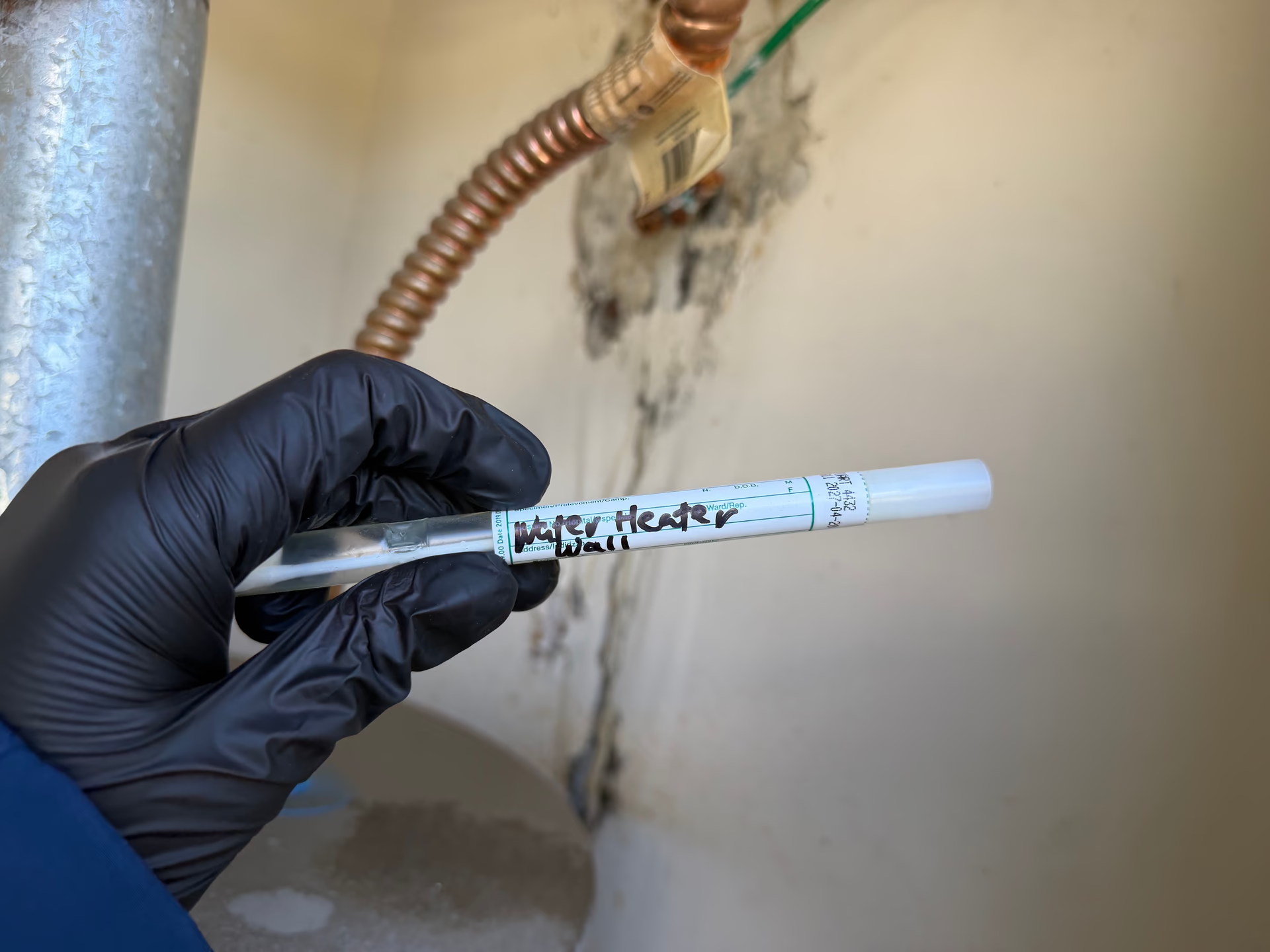
Mold grows in damp areas without always showing on the surface. Swab testing detects microbial growth on materials that are soft, porous, or moisture-prone, and is the right approach after water damage or in spaces that resist visual inspection.

Mold swab testing detects:

  • —Hidden mold on porous or textured materials
  • —Growth in damp spots like under sinks or around HVAC
  • —Contamination on organic materials including wood and fabric
  • —Mold that visual inspection alone tends to miss
Why mold swab testing matters
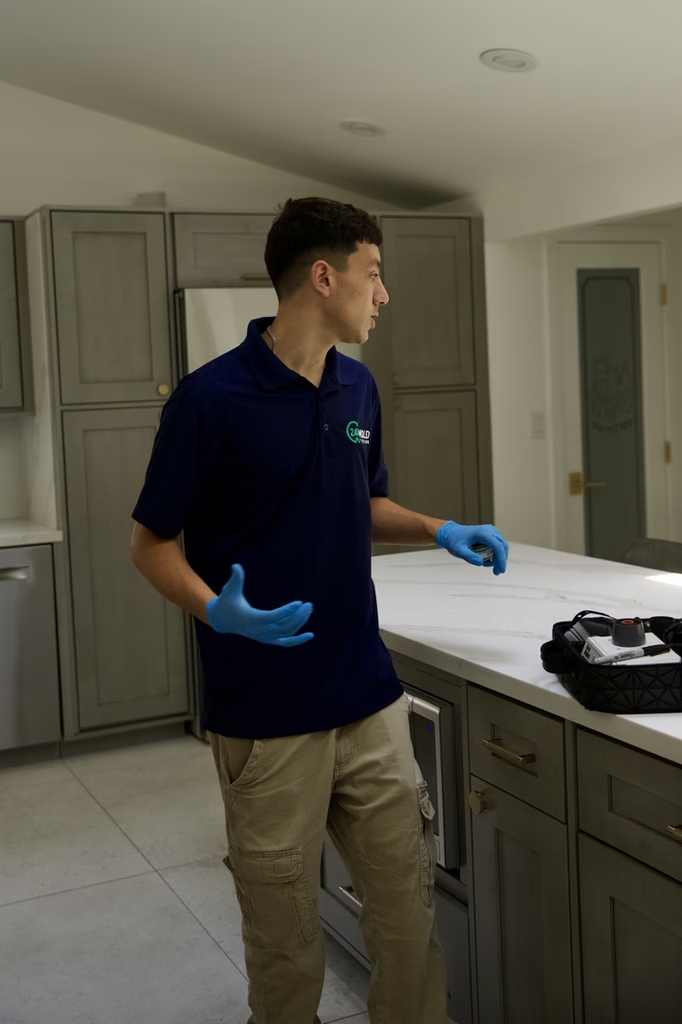
Mold inspector at work

Benefits

What you get from swab testing

A flexible method for hard-to-sample surfaces

  • —Moisture-ready: Designed for damp and water-damaged materials.
  • —Flexible: Handles uneven, porous, and irregular surfaces.
  • —Confirmatory: Validates mold presence in hidden or subtle areas.
  • —Lab-backed: Lab-verified results with species identification.

About

How mold swab testing works

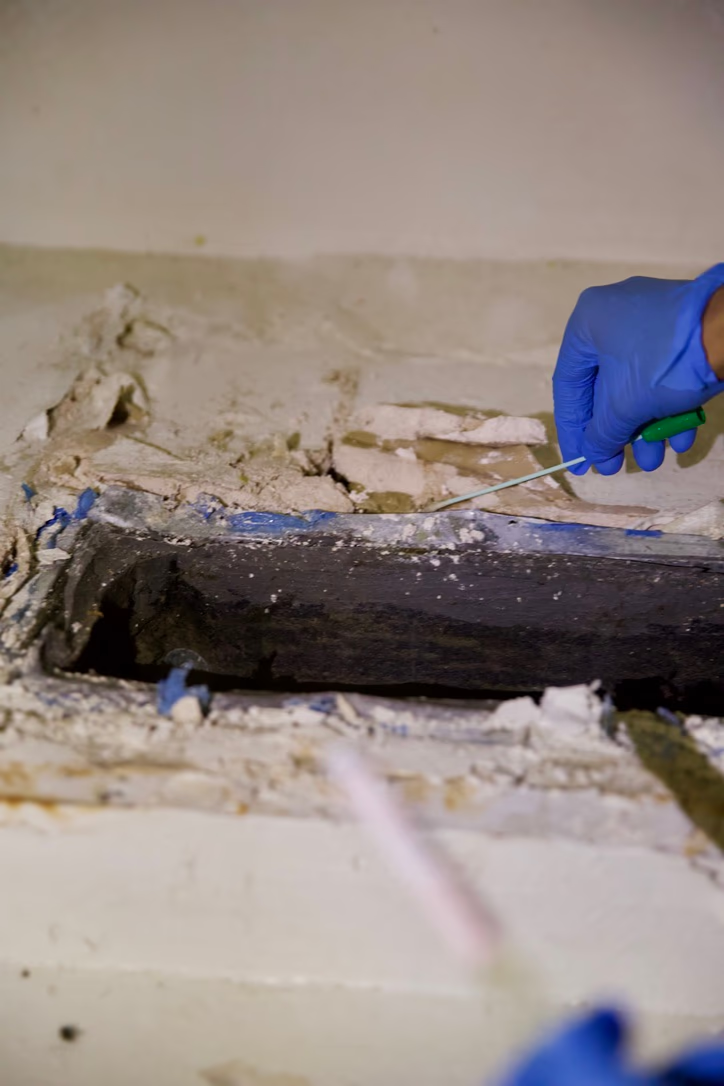
Our certified mold inspectors gently rub a sterile swab across the suspect area to collect a sample, then seal it and send it to a state-certified lab for mold species identification and contamination level.

Our process includes:

  • —Sterile collection from textured surfaces and porous materials
  • —Coverage of damp surfaces and hard-to-reach spots
  • —Lab work returning spore counts and lab-verified results
  • —A mold inspection report with clear next steps
How mold swab testing works

Mold inspection Simi Valley FAQ

Call For An Inspection
Simi Valley grew rapidly in the 1970s and 1980s, and the bulk of the city's housing from this era is now 40 to 50 years old with original systems aging simultaneously. Original HVAC systems develop condensate drain failures that deposit moisture inside air handler cabinets and adjacent wall cavities. First-generation asphalt roofing is at or past its design life, with early failures appearing at penetrations, valleys, and eave transitions. Slab-on-grade foundations from this era have expansion joints and any cracks that have developed through decades of Simi Valley's significant temperature cycling — hot summers and cool winters stress concrete differently than more moderate coastal climates. Simi Valley's seasonal wind events accelerate exterior sealant degradation, opening entry points faster than in more sheltered communities.
Yes — and for reasons specific to hillside construction. Wood Ranch's cut-and-fill lots from the 1980s and 1990s have retaining walls and subdrains that are now 30 to 40 years old. When those systems fail — weep holes plug with mineral deposits, subdrain lines crush under mature root pressure — hillside moisture that was being managed redirects toward foundations invisibly. Properties with downhill-facing below-grade levels accumulate this moisture before it's visible anywhere in the living space. An inspection on Wood Ranch properties should specifically assess the downhill foundation face, retaining wall condition, and any below-grade spaces rather than treating them as standard interior rooms.
Simi Valley sits at the intersection of several mountain passes that channel seasonal offshore winds through the valley, and this wind exposure accelerates building envelope deterioration faster than in more sheltered communities. Sealants, caulking, and roofing transition materials expand and contract more aggressively through wind events than they would in a calmer microclimate, and the cumulative degradation opens moisture entry points that are invisible until they have allowed sustained water intrusion. In older homes from the 1970s and 1980s where original envelope materials have cycled through 40 to 50 wind seasons, the gaps that have opened at stucco joints, window frames, and roof-to-wall transitions are where moisture enters during the first significant winter storm.
Pre-purchase inspection in Simi Valley is worth doing specifically because the concentration of similarly-aged tract housing means predictable failure patterns — but which systems in any given home have already crossed the threshold from aging to failing isn't visible from the street. The inspection covers thermal imaging for behind-wall moisture at HVAC and plumbing locations, slab moisture readings at expansion joints, attic condition and ventilation adequacy, and crawl space assessment on the older properties that have them. For Wood Ranch hillside properties, the retaining wall drainage and below-grade levels require specific attention beyond the standard inspection scope.
Our Simi Valley team covers all of Simi Valley — the valley floor tracts, Wood Ranch, the Reagan Library hillside neighborhoods, Downtown, and Bridle Path — with same-day and next-day appointments and 24/7 emergency response. Several neighboring cities have their own dedicated 24H Mold Inspection pages: Thousand Oaks and Moorpark each have separate coverage with their own local teams. Camarillo also has its own page. If your property is in one of those cities, that page will have the most relevant local information.
No — inspection and testing only. We never perform mold removal, remediation, or abatement. In Simi Valley, where the majority of mold-related searches are from homeowners looking for remediation companies, it's worth being direct: we are the inspection and testing step that comes before remediation, not the remediation itself. What we provide is the diagnosis — extent of growth, moisture source, lab-confirmed species, and a written scope you can use to get accurate bids from several remediation contractors rather than accepting the first proposal from a company that also found the problem.
Post-remediation verification confirms that a remediation contractor's work succeeded — affected material was removed, the moisture source was controlled, and indoor spore counts are back within normal range. In Simi Valley's aging tract housing, where moisture sources are often building-system failures that have developed over years, a remediation that didn't address the source will return within a season. Because 24H Mold Inspection never performs remediation, the verification is genuinely independent — we have no stake in confirming the contractor's work succeeded.

Contact

Book your Simi Valley mold inspection today

Tell us what's going on and we'll respond the same day

Location

24H Mold Inspection of Simi Valley

Hours

  • MondayOpen 24 hours
  • TuesdayOpen 24 hours
  • WednesdayOpen 24 hours
  • ThursdayOpen 24 hours
  • Friday6 AM – 6 PM
  • SaturdayClosed
  • SundayOpen 24 hours

Service area neighborhoods

  • Wood Ranch
  • Bridle Path
  • Berylwood
  • Sycamore Park
  • Knolls
  • Madera
  • Oakridge
  • West End
Call For Service(805) 842-6635