24H Mold Inspection
San Jose24/7 EMERGENCY(408) 965-9979
HomeOur ServicesMold InspectionThermal Imaging
Mold Inspection

Thermal Imaging

Infrared cameras find hidden mold conditions and water damage before any surface stain shows up.

Overview

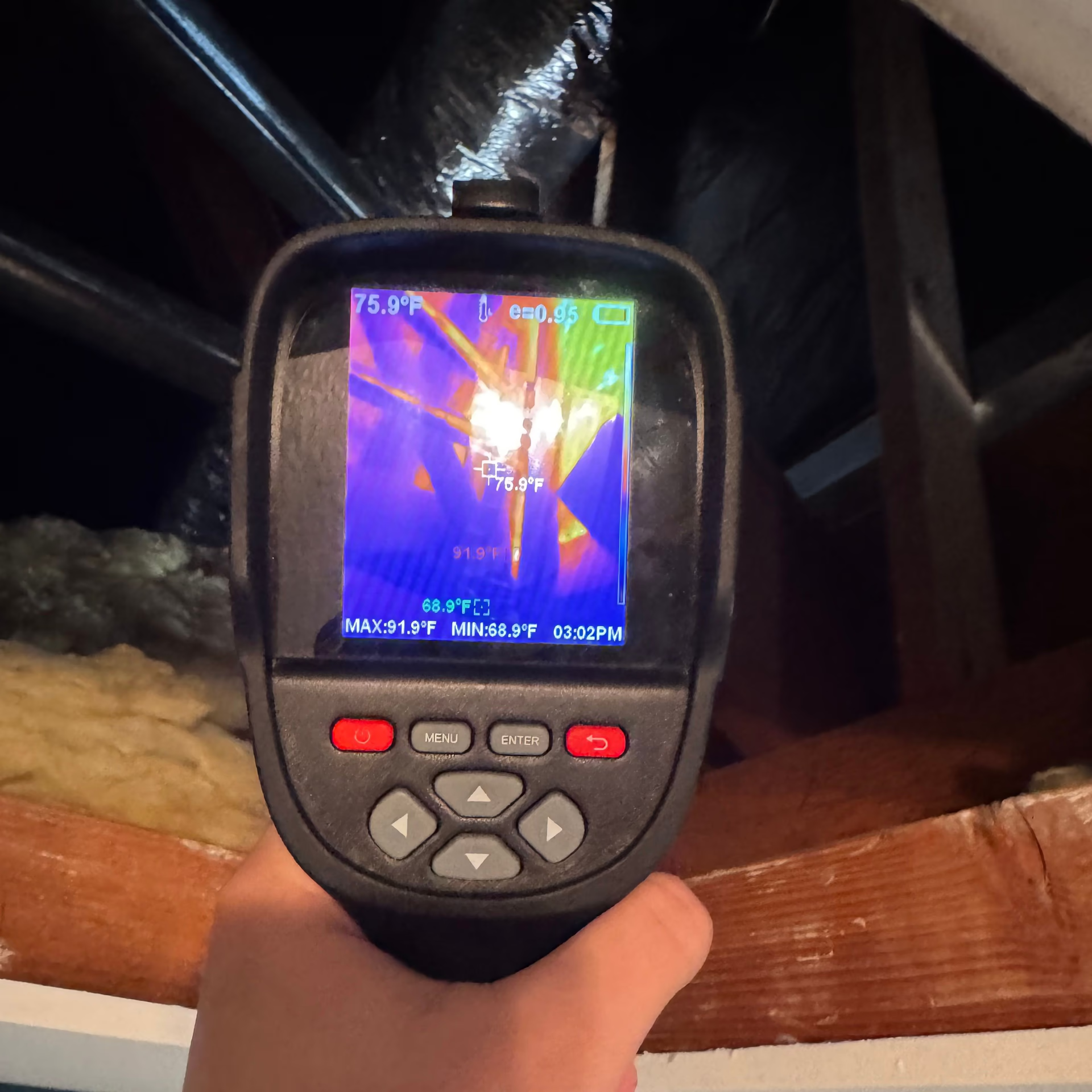
Why infrared thermal imaging finds mold others miss

Mold doesn't always announce itself. A small leak inside a wall, a stretch of failed insulation, or a cold-bridge condensation zone can build mold-friendly conditions for months before any stain reaches the surface. Thermal imaging reveals those conditions while they're still hidden, giving you a chance to address the moisture before mold has spread.

Thermal imaging detects:

  • —Hidden moisture inside walls, ceilings, and under floors
  • —Active leaks from plumbing, roofing, or HVAC components
  • —Insulation gaps and ventilation defects driving condensation
  • —Cold spots creating ideal future conditions for mold growth
Why infrared thermal imaging finds mold others miss
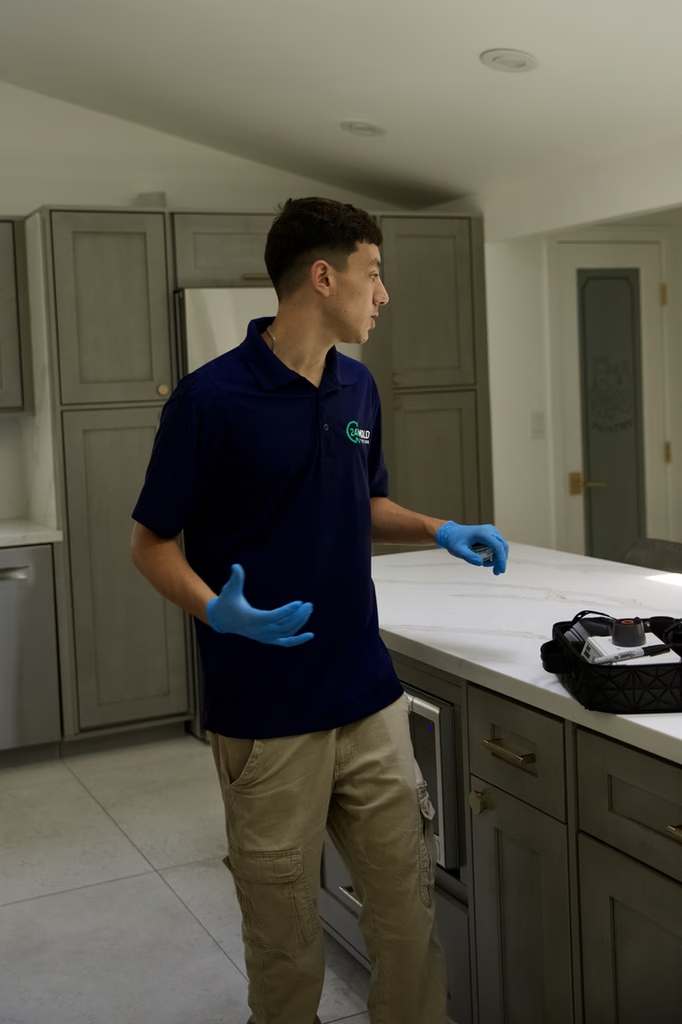
Mold inspector at work

Benefits

What you get from thermal imaging

Find hidden risks early without damaging the property

  • —Non-invasive: No drilling, no cutting, no surface damage.
  • —Early detection: Catches problems before damage becomes visible.
  • —Cost-effective: Targets repairs only where they're needed.
  • —Documented findings: Annotated thermal images included in the report.

About

How thermal imaging mold inspection works

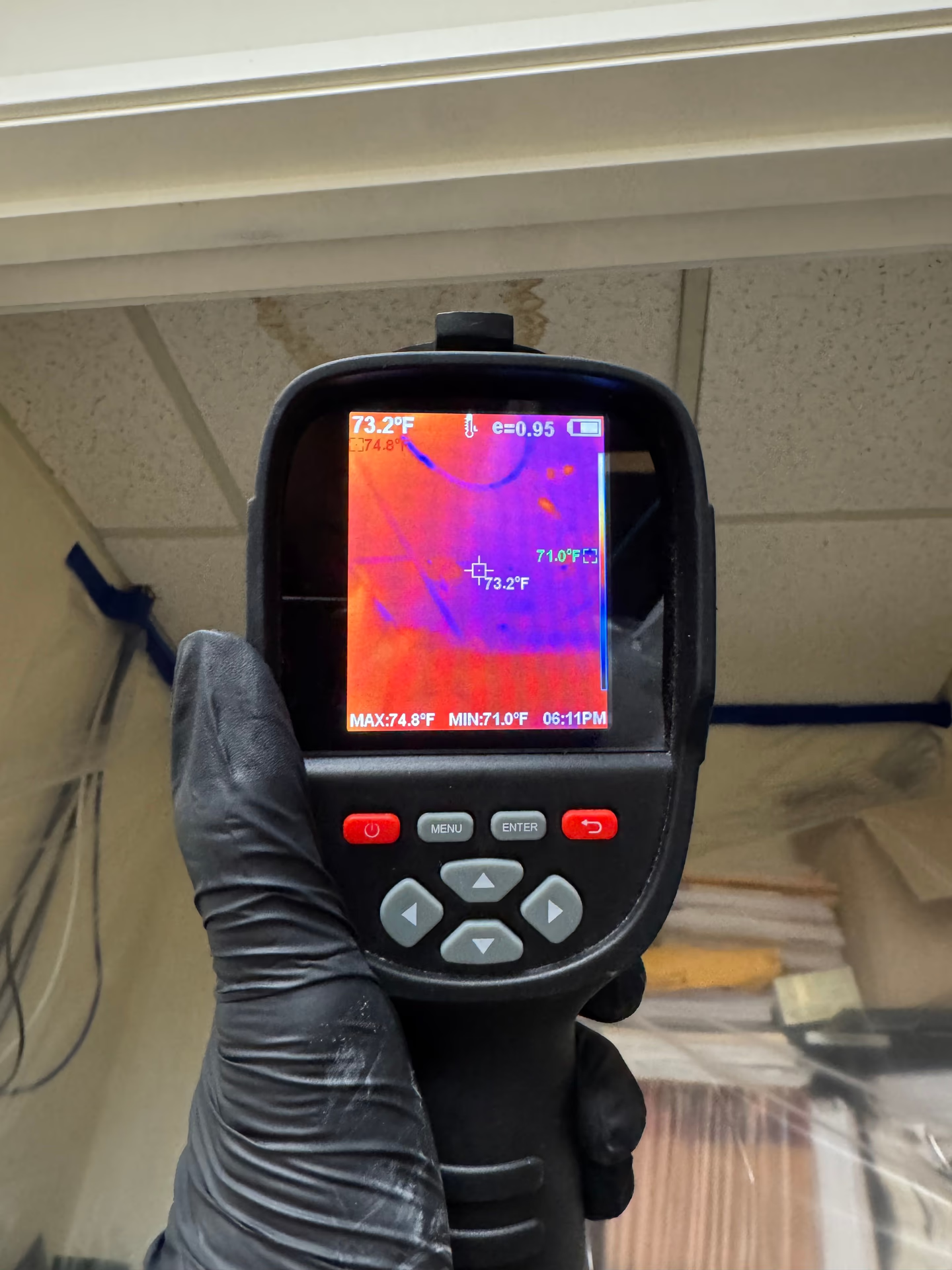
Our certified mold inspectors use FLIR cameras to read temperature differentials across surfaces. Cooler areas often signal water present in the material, even when no surface damage has appeared.

Our process includes:

  • —A complete thermal scan of key interior and exterior surfaces
  • —Identification of unusual cold or warm patterns in the readings
  • —Cross-checking thermal findings with calibrated moisture meters
  • —A mold inspection report including the annotated thermal images
How thermal imaging mold inspection works

Mold inspection San Jose FAQ

Call For An Inspection
Flat and low-slope roofs pond water and wear out at seams and flashing. Large glass walls condense on cool mornings and wet the framing at their base. Slab foundations can hide supply-line and radiant-heating-line leaks that wick into walls with no sign at floor level. At 50 to 70 years old, these systems are failing in the same decade. Thermal imaging and moisture meters find moisture a visual check misses.
Most rain falls in a few winter months after a long dry season, so roofing, stucco, and window seals that held through summer can fail in the first big storms. Marine influence from the Bay keeps mornings damp, which drives condensation in attics and on single-pane windows. Attics, crawl spaces, and exterior walls are where moisture tends to show first.
They can. Lots near creeks and flood-control channels sit closer to the water table, so ground moisture against slabs and crawl spaces stays high through the rainy season. Hillside homes depend on retaining walls and subdrains that clog or fail with age, so runoff concentrates at downhill foundations. An inspection records moisture at slab edges, below-grade rooms, and drainage, not only inside.
Raised foundations over crawl spaces without vapor barriers let ground moisture into subfloor framing. Galvanized plumbing leaks inside walls, and chimneys and roofs repaired many times add seams where water enters. The inspection focuses on the crawl space, plumbing walls, chimney, and attic.
You cannot tell from color. Orange, black, green, and white growth can each be mold, bacteria, or something else, and appearance does not identify the species or whether it is a problem. A surface sample analyzed by a state-certified lab identifies what it is, and the moisture survey shows what is feeding it. Do not scrub or bleach it before it is sampled.
Yes. The inspection covers thermal imaging for behind-wall moisture, roof and flashing condition, slab or crawl-space readings, attic ventilation, and sampling where growth is suspected. Independent documentation before closing protects you from inheriting a slow problem in a competitive market.
Our San Jose team covers the city of San Jose and surrounding South Bay communities, including Milpitas, Santa Clara, Campbell, Cupertino, Los Gatos, and Sunnyvale, with same-day and next-day appointments and 24/7 emergency response. If you are not sure which page fits your address, call the number on this page and we will point you to the right team.

Contact

Book your San Jose mold inspection today

Tell us what's going on and we'll respond the same day

Location

24H Mold Inspection of San Jose

Address

1710 Zanker Rd, San Jose, CA 95112

Hours

  • MondayOpen 24 hours
  • TuesdayOpen 24 hours
  • WednesdayOpen 24 hours
  • ThursdayOpen 24 hours
  • Friday6 AM – 6 PM
  • SaturdayClosed
  • SundayOpen 24 hours

Service area neighborhoods

  • Willow Glen
  • Naglee Park
  • Cambrian
  • Alum Rock
  • Berryessa
  • Downtown San Jose
  • Japantown
  • Rose Garden
Call For Service(408) 965-9979