24H Mold Inspection
Palm Springs24/7 EMERGENCY(760) 841-4488
HomeOur ServicesMold InspectionThermal Imaging
Mold Inspection

Thermal Imaging

Infrared cameras find hidden mold conditions and water damage before any surface stain shows up.

Overview

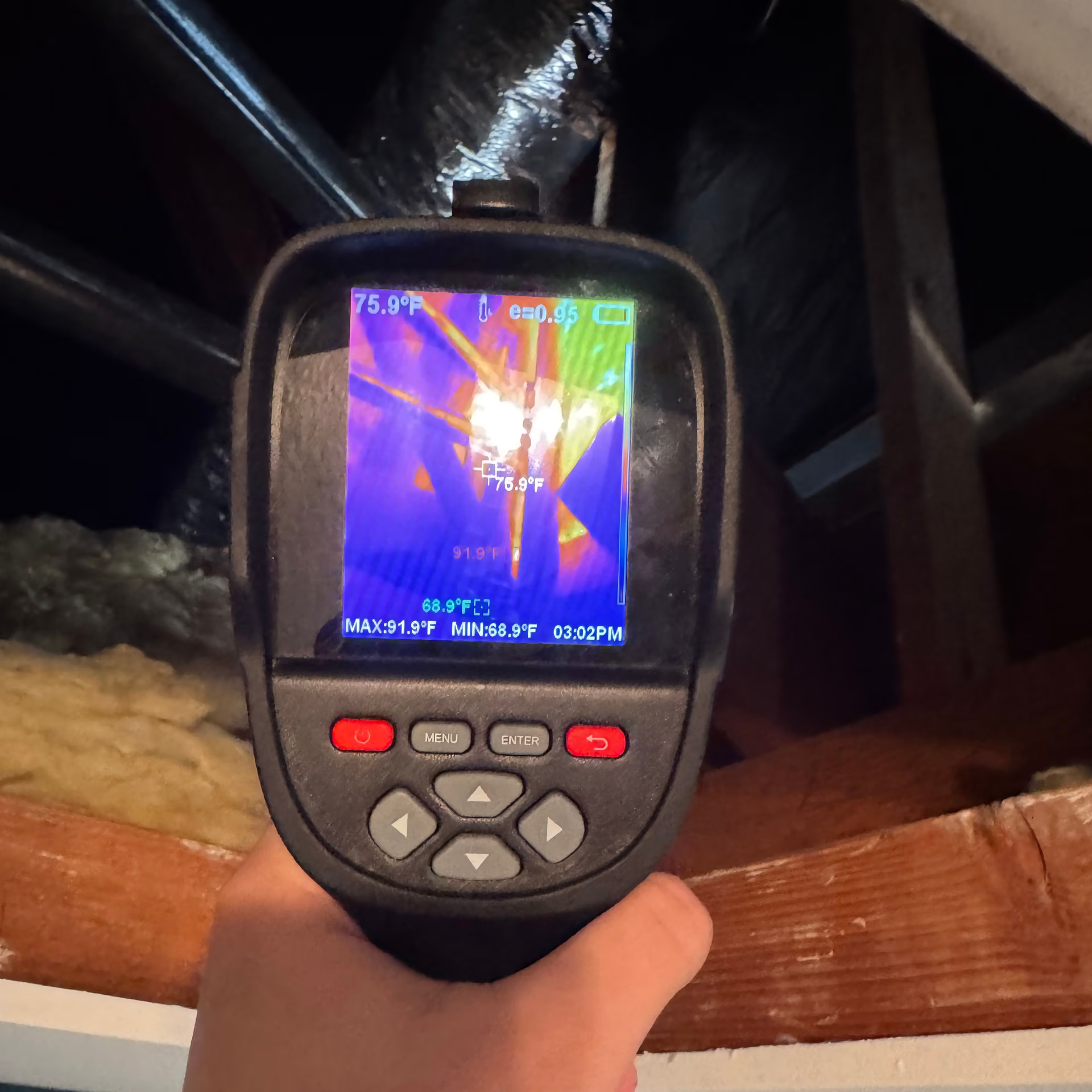
Why infrared thermal imaging finds mold others miss

Mold doesn't always announce itself. A small leak inside a wall, a stretch of failed insulation, or a cold-bridge condensation zone can build mold-friendly conditions for months before any stain reaches the surface. Thermal imaging reveals those conditions while they're still hidden, giving you a chance to address the moisture before mold has spread.

Thermal imaging detects:

  • —Hidden moisture inside walls, ceilings, and under floors
  • —Active leaks from plumbing, roofing, or HVAC components
  • —Insulation gaps and ventilation defects driving condensation
  • —Cold spots creating ideal future conditions for mold growth
Why infrared thermal imaging finds mold others miss
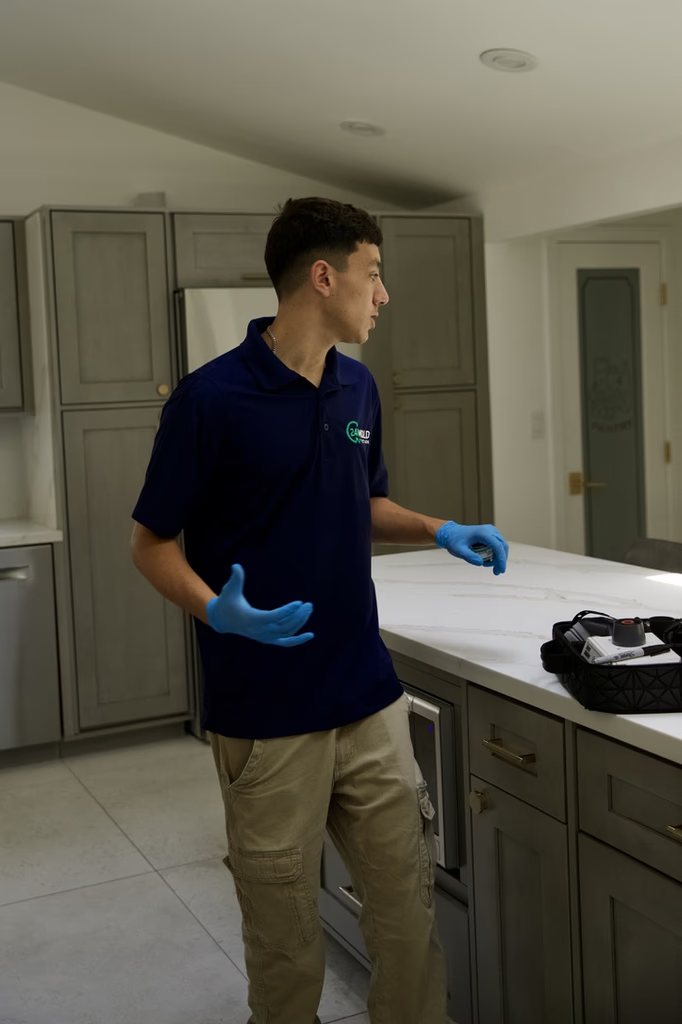
Mold inspector at work

Benefits

What you get from thermal imaging

Find hidden risks early without damaging the property

  • —Non-invasive: No drilling, no cutting, no surface damage.
  • —Early detection: Catches problems before damage becomes visible.
  • —Cost-effective: Targets repairs only where they're needed.
  • —Documented findings: Annotated thermal images included in the report.

About

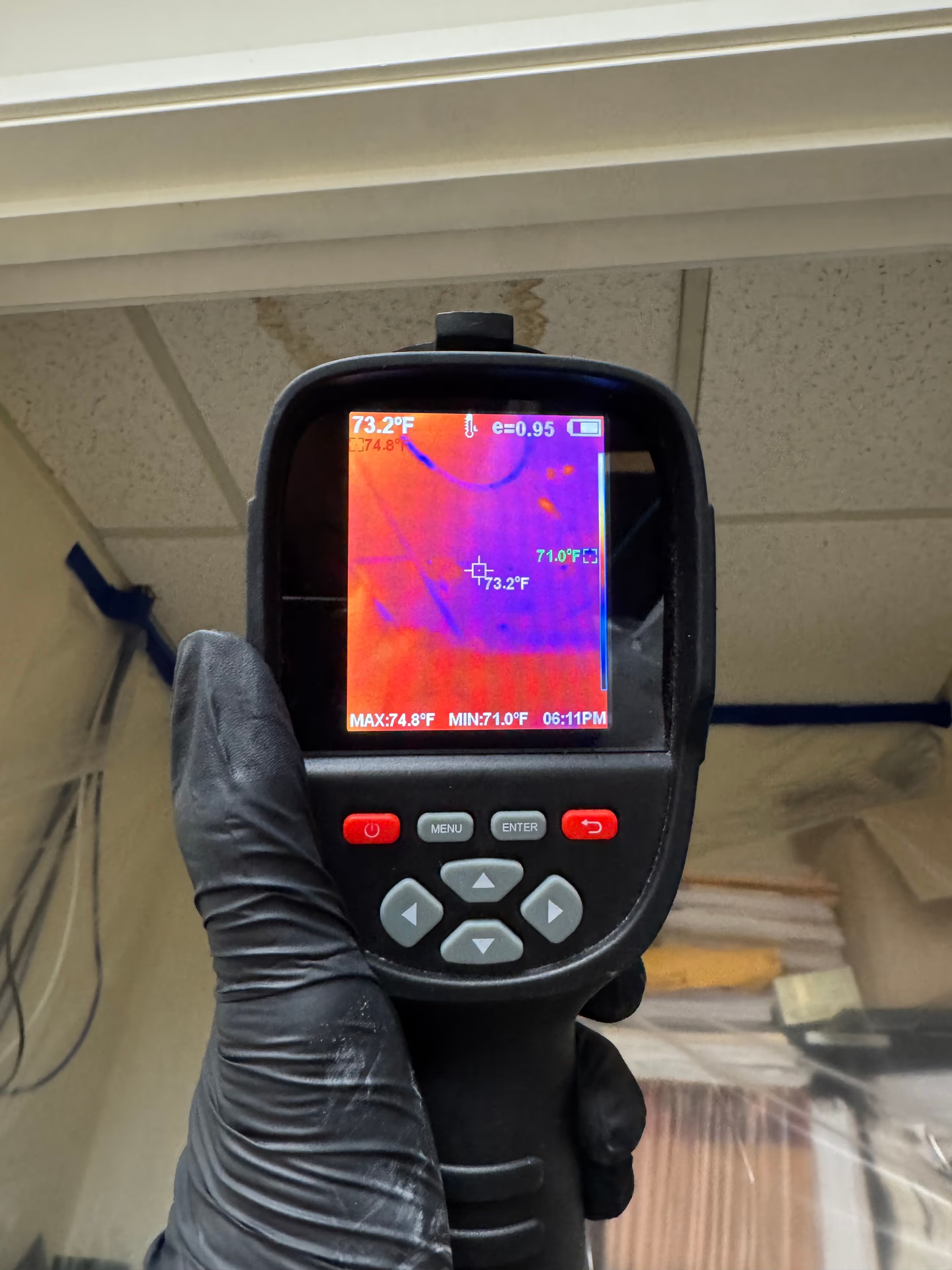
How thermal imaging mold inspection works

Our certified mold inspectors use FLIR cameras to read temperature differentials across surfaces. Cooler areas often signal water present in the material, even when no surface damage has appeared.

Our process includes:

  • —A complete thermal scan of key interior and exterior surfaces
  • —Identification of unusual cold or warm patterns in the readings
  • —Cross-checking thermal findings with calibrated moisture meters
  • —A mold inspection report including the annotated thermal images
How thermal imaging mold inspection works

Mold inspection Palm Springs FAQ

Call For An Inspection
Rentals and seasonal homes swing between closed-up and heavily used. When a house sits empty with the air conditioning set back, a slow plumbing leak, a water heater drip, or a pool-equipment leak can run for weeks unnoticed. Then a full house adds showers, laundry, and cooking at once. An inspection maps moisture with thermal imaging and meters and documents the condition, which helps owners and property managers between guests.
No. The dry climate hides moisture problems rather than preventing them. Air-conditioning condensate lines, evaporative coolers, pools and spas, misting systems, irrigation near foundations, roof leaks during heavy storms, and slow plumbing leaks all put water into buildings. Once water is inside a wall or attic, desert heat does not always dry it, and mold can establish within 24 to 48 hours of saturation.
Flat and low-slope roofs pond water, and aging roofing and flashing admit it above ceilings. Large single-pane glass walls condense on cool mornings and wet the framing below. Slab foundations can hide supply-line leaks that wick into walls with no sign at floor level. Inspections concentrate on the roof-to-wall seams, window and glass-wall bases, and plumbing walls.
Yes. Heavy summer storms arrive after long dry stretches, and homes built for dry weather can have roofing, stucco cracks, and drainage that fail on the first big rain. Homes against the foothills also take canyon runoff against uphill walls and retaining walls. A moisture assessment after a significant storm catches hidden saturation early.
Yes, especially for vacation rentals, mid-century homes, and homes with pools or spas near the house. The inspection covers thermal imaging for behind-wall moisture, roof and flashing condition, slab readings, attic and air-conditioning condensate lines, and sampling where growth is suspected. Independent documentation before closing protects you from inheriting a hidden problem.
Our Palm Springs, California team covers the city of Palm Springs, with same-day and next-day appointments and 24/7 emergency response. Cathedral City and Desert Hot Springs each have their own 24H Mold Inspection page with a local team. If your property is in either city, start with that page. If you are not sure which page fits your address, call the number on this page and we will point you to the right team.
The inspection is the diagnosis. We map moisture, identify the source, and send samples to a state-certified lab, then deliver a written report with the extent of growth, the cause, and a defined scope. A separate contractor does any cleanup, because we perform inspection and testing only. We can return for independent post-remediation verification.

Contact

Book your Palm Springs mold inspection today

Tell us what's going on and we'll respond the same day

Location

24H Mold Inspection of Palm Springs

Hours

  • MondayOpen 24 hours
  • TuesdayOpen 24 hours
  • WednesdayOpen 24 hours
  • ThursdayOpen 24 hours
  • Friday6 AM – 6 PM
  • SaturdayClosed
  • SundayOpen 24 hours

Service area neighborhoods

  • Palm Springs
  • Cathedral City
  • Rancho Mirage
  • Palm Desert
  • La Quinta
  • Indio
  • Desert Hot Springs
  • Thousand Palms
Call For Service(760) 841-4488