24H Mold Inspection
Diamond Bar24/7 EMERGENCY(909) 978-4887
HomeOur ServicesMold InspectionMoisture Detection
Mold Inspection

Moisture Detection

Find the hidden water inside walls, floors, and ceilings before it turns into mold, structural damage, or a far bigger repair bill.

Overview

Why hidden moisture is the real mold problem

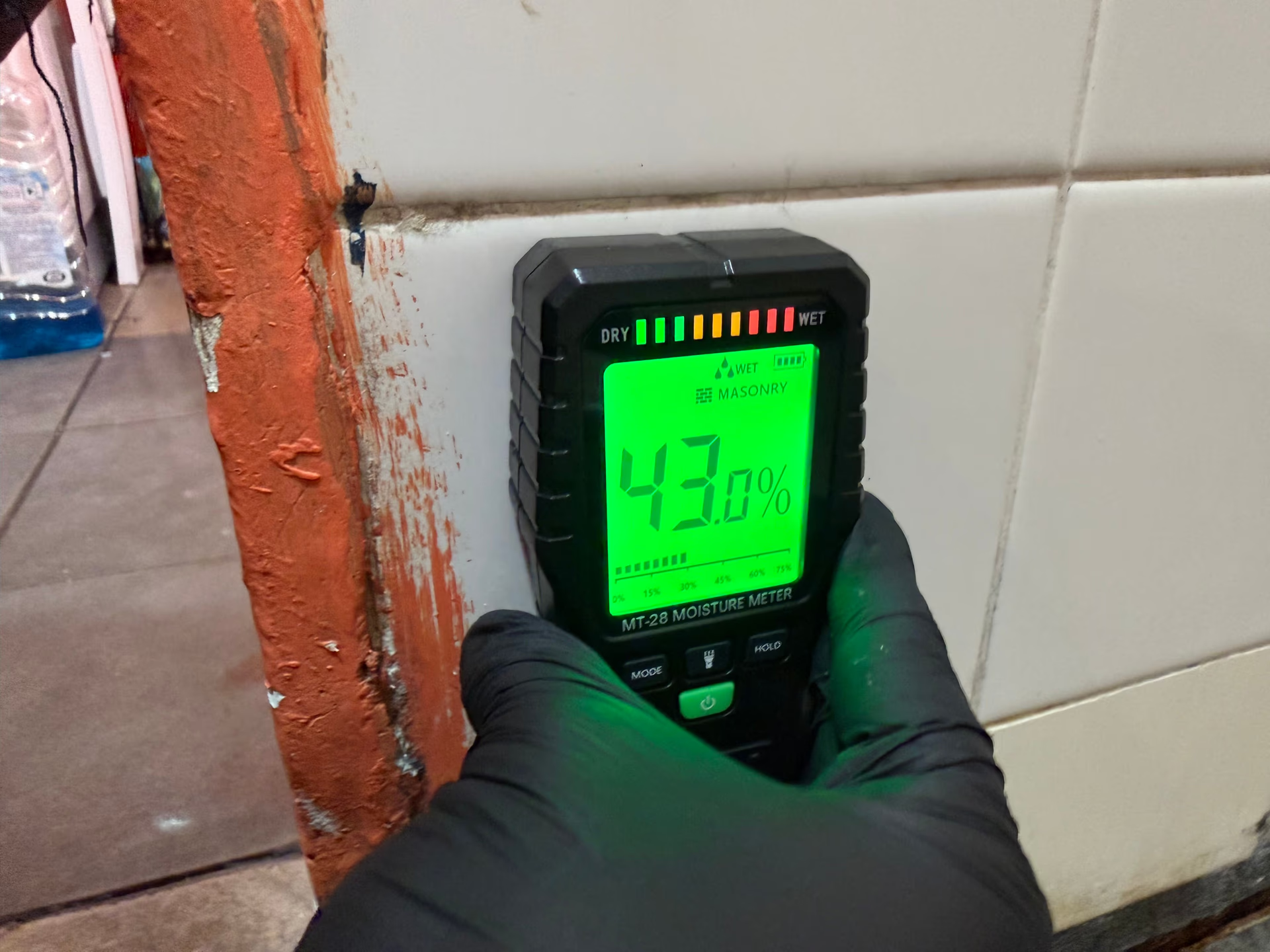
Hidden moisture rarely shows up until it's already a problem. Water gets behind walls, soaks into subflooring, and sits in ceilings while everything looks fine. Once it's been there long enough, you get mold, weakened framing, and a repair bill in the thousands.

Moisture detection identifies:

  • —Hidden leaks from plumbing, roofs, and foundations
  • —Saturated drywall, flooring, and insulation
  • —Areas at risk for mold or mildew growth
  • —Humidity buildup and condensation sources
Why hidden moisture is the real mold problem
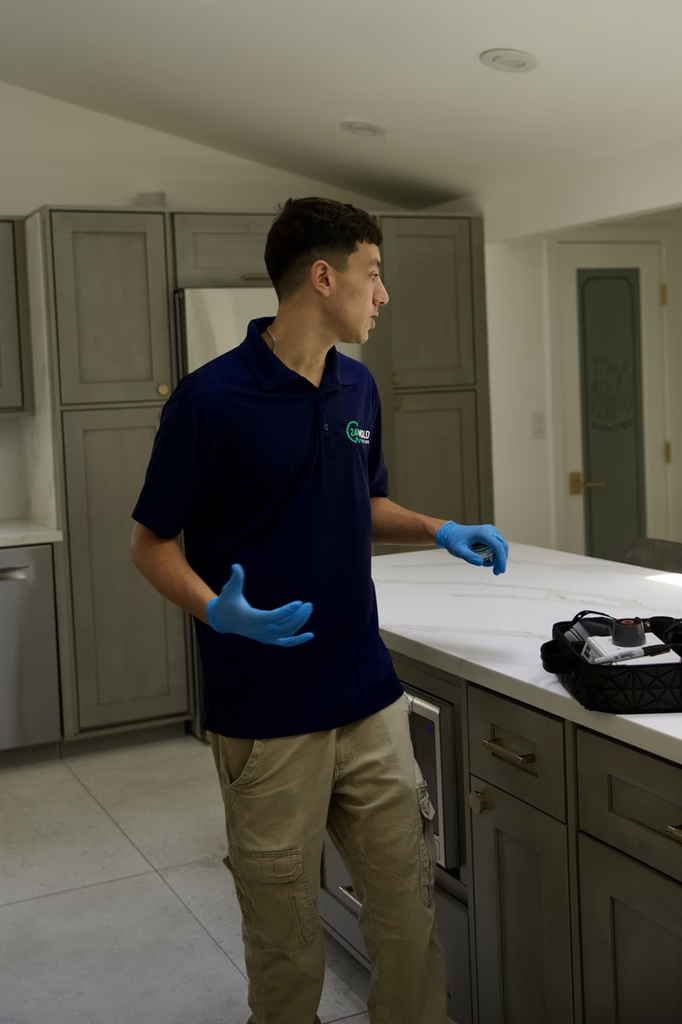
Mold inspector at work

Benefits

What you get from moisture detection

Catch water damage before it leads to expensive repairs or mold growth

  • —Non-invasive: No walls opened, no cutting required.
  • —Early leak detection: Find hidden leaks before damage gets worse.
  • —Health protection: Reduce risks from mold and damp exposure.
  • —Smarter repairs: Targets work to the exact problem area.

About

How a moisture detection visit runs

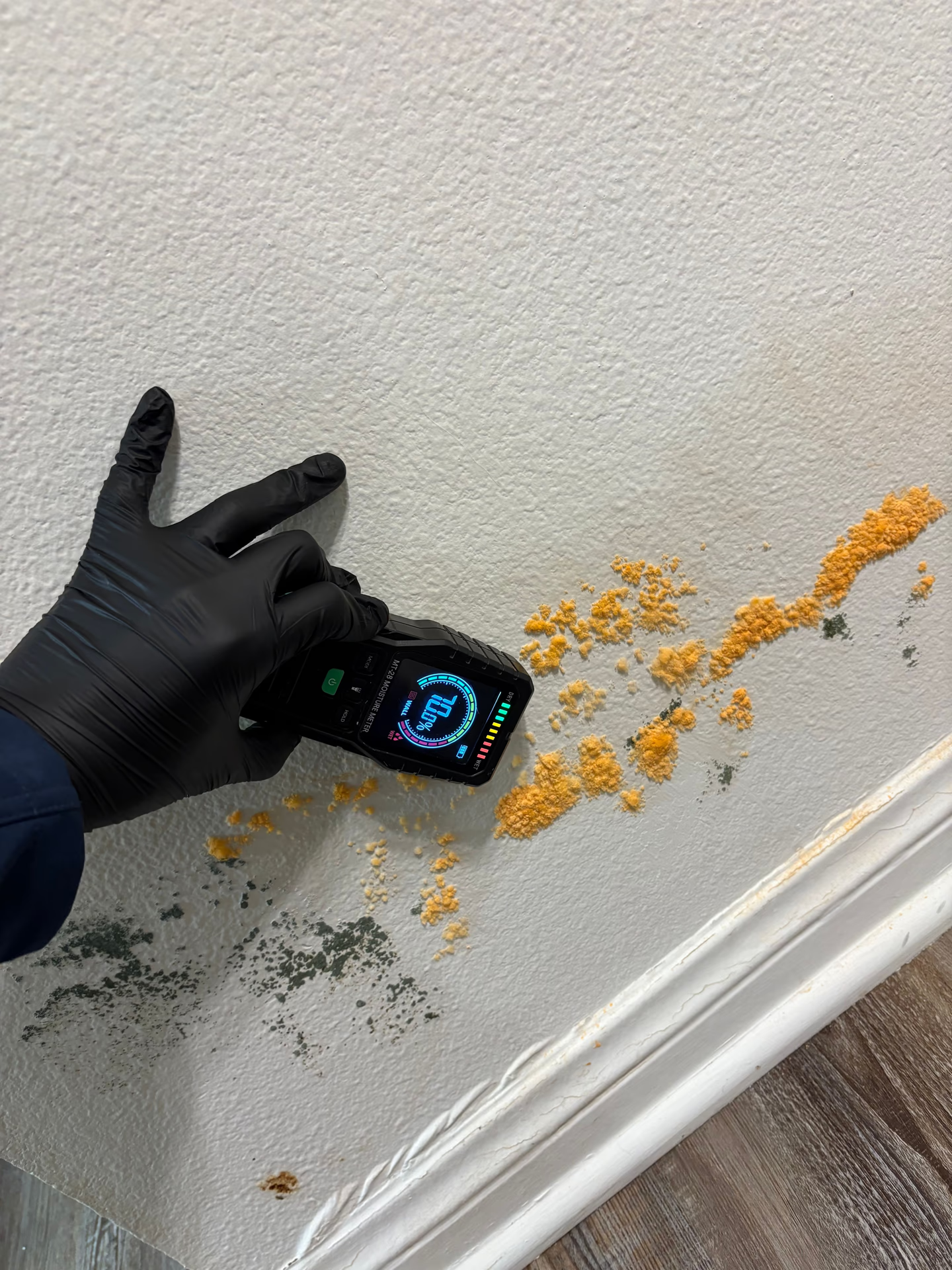
Our certified mold inspectors use high-precision moisture meters and detection tools to measure water content inside building materials. The instruments find trapped water without any cutting or drilling, even when the surface looks dry.

Our process includes:

  • —Surface moisture scanning across the property
  • —Deeper probe readings in high-risk areas like bathrooms and basements
  • —Cross-checking with thermal imaging when warranted
  • —A written mold inspection report with detailed moisture readings
How a moisture detection visit runs

Mold inspection Diamond Bar FAQ

Call For An Inspection
Most Diamond Bar homes sit on graded pads cut into slopes, with half the pad on native ground and half on engineered fill. Retaining walls, weep holes, and subdrains keep slope moisture away from foundations, and those systems are now 30 to 60 years old. Weep holes plug, subdrains crush or clog, and irrigation pushes water into fill that was compacted to shed it. The result often appears as a damp lower level, garage, or downhill wall months after the last rain. An inspection focuses on the downhill and below-grade walls, foundation drainage, and any lower-level living space.
It is a consistent finding because the age-related failures are predictable. Homes from this era are now 40 to 60 years old, with original plumbing, bath fan ducting, and HVAC condensate lines near end of life. Whole tracts were built to the same plans in a short window, so the same failure points recur across a street. A condensate line that clogs or a bath fan that vents into the attic can feed a slow problem for years before anything is visible. Thermal imaging and moisture meters find in-wall and attic moisture that a visual check misses.
In attached and HOA-managed communities, a failure in a shared roof, plumbing stack, or exterior wall can show up as mold inside a single unit, sometimes months after the source event. Fixed-schedule HOA irrigation also keeps soil damp against foundations regardless of rainfall. The deciding question is whether the moisture source sits inside the unit or in a common element, because that usually determines who pays for the repair. An independent inspection traces the moisture to its source and documents it with no financial interest in the outcome.
They can. Lots that back onto canyon terrain and open space combine slope drainage from the hillside above with heavier brush and tree growth that shades walls and roofs and drops debris into gutters and valleys. After heavy rain, runoff concentrates at the downhill side of the lot, where retaining walls and swales carry it past the foundation. The inspection looks at the downhill foundation face, gutters and roof valleys, and any below-grade space rather than treating the home as a generic interior.
Yes, especially for hillside lots, HOA townhomes, and homes from the 1970s and 1980s. The inspection covers thermal imaging for behind-wall moisture, foundation and retaining-wall drainage, attic ventilation, and air or surface sampling where growth is suspected. For attached units it also documents whether a moisture condition comes from a shared building system. Independent documentation before closing protects you from inheriting a slow problem.
Our Diamond Bar team covers the whole city, including the hillside neighborhoods, the HOA communities, and the commercial centers, with same-day and next-day appointments and 24/7 emergency response. Chino Hills and West Covina each have their own 24H Mold Inspection page with a local team. If your property is in either city, start with that page. If you are not sure which page fits your address, call the number on this page and we will point you to the right team.
Inspection and testing only. In Diamond Bar's mix of hillside lots, HOA communities, and commercial buildings, moisture sources and cleanup scopes vary widely, and a company with cleanup work to sell has a financial reason to find more than the instruments confirm. What you receive is the diagnosis: the extent of growth, the moisture source, lab-confirmed species, and a written scope you can take to several contractors for comparable bids.

Contact

Book your Diamond Bar mold inspection today

Tell us what's going on and we'll respond the same day

Location

24H Mold Inspection of Diamond Bar

Address

888 S Brea Canyon Rd ste 110, Diamond Bar, CA 91789

Hours

  • MondayOpen 24 hours
  • TuesdayOpen 24 hours
  • WednesdayOpen 24 hours
  • ThursdayOpen 24 hours
  • Friday6 AM – 6 PM
  • SaturdayClosed
  • SundayOpen 24 hours

Service area neighborhoods

  • The Country Estates
  • Summitridge
  • Walnut Valley border area
  • Golden Springs
  • Diamond Point Club
  • Grand Avenue corridor
  • Pantera Park vicinity
  • Pathfinder Road district
Call For Service(909) 978-4887