24H Mold Inspection
Beverly Hills24/7 EMERGENCY(323) 941-3775
HomeOur ServicesMold InspectionThermal Imaging
Mold Inspection

Thermal Imaging

Infrared cameras find hidden mold conditions and water damage before any surface stain shows up.

Overview

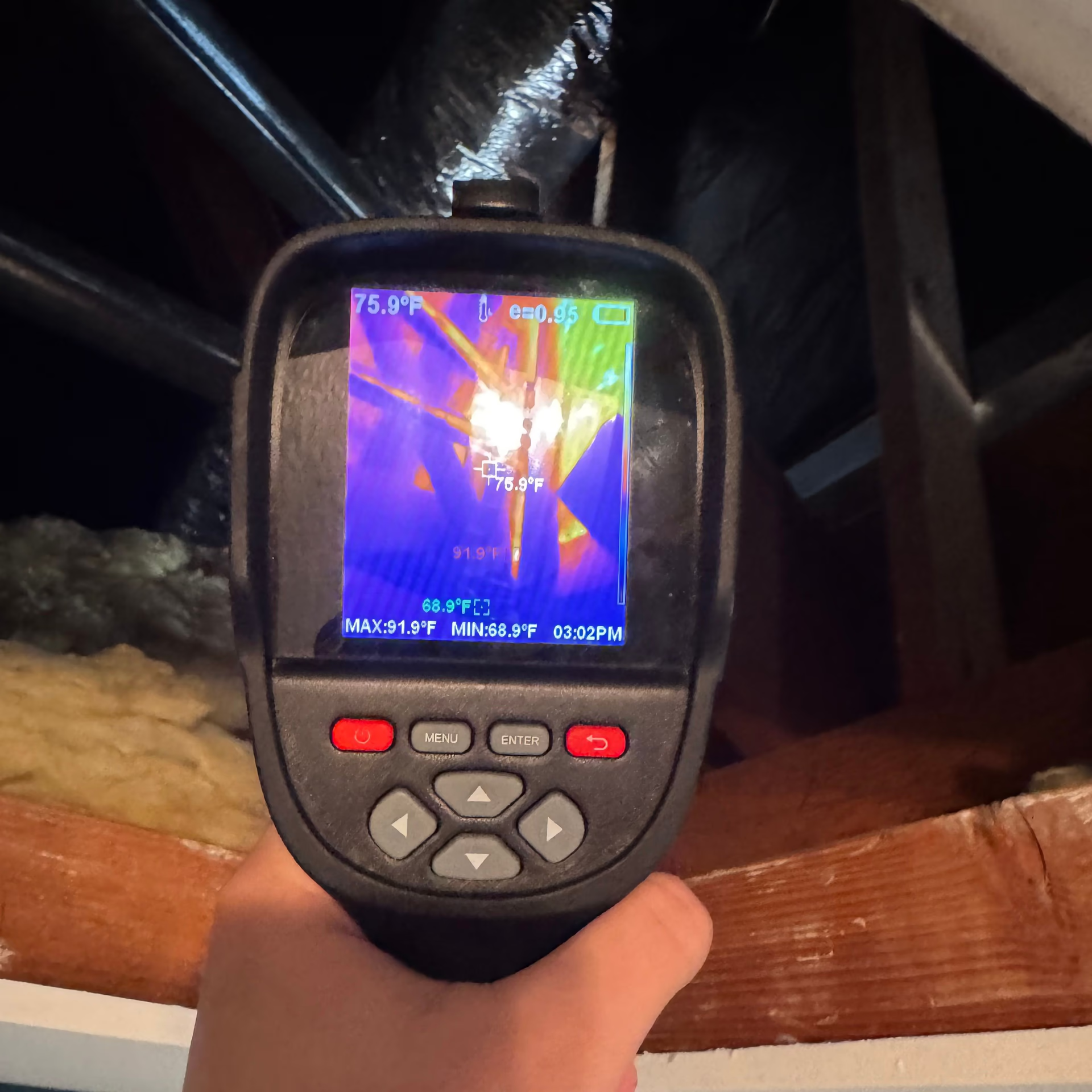
Why infrared thermal imaging finds mold others miss

Mold doesn't always announce itself. A small leak inside a wall, a stretch of failed insulation, or a cold-bridge condensation zone can build mold-friendly conditions for months before any stain reaches the surface. Thermal imaging reveals those conditions while they're still hidden, giving you a chance to address the moisture before mold has spread.

Thermal imaging detects:

  • —Hidden moisture inside walls, ceilings, and under floors
  • —Active leaks from plumbing, roofing, or HVAC components
  • —Insulation gaps and ventilation defects driving condensation
  • —Cold spots creating ideal future conditions for mold growth
Why infrared thermal imaging finds mold others miss
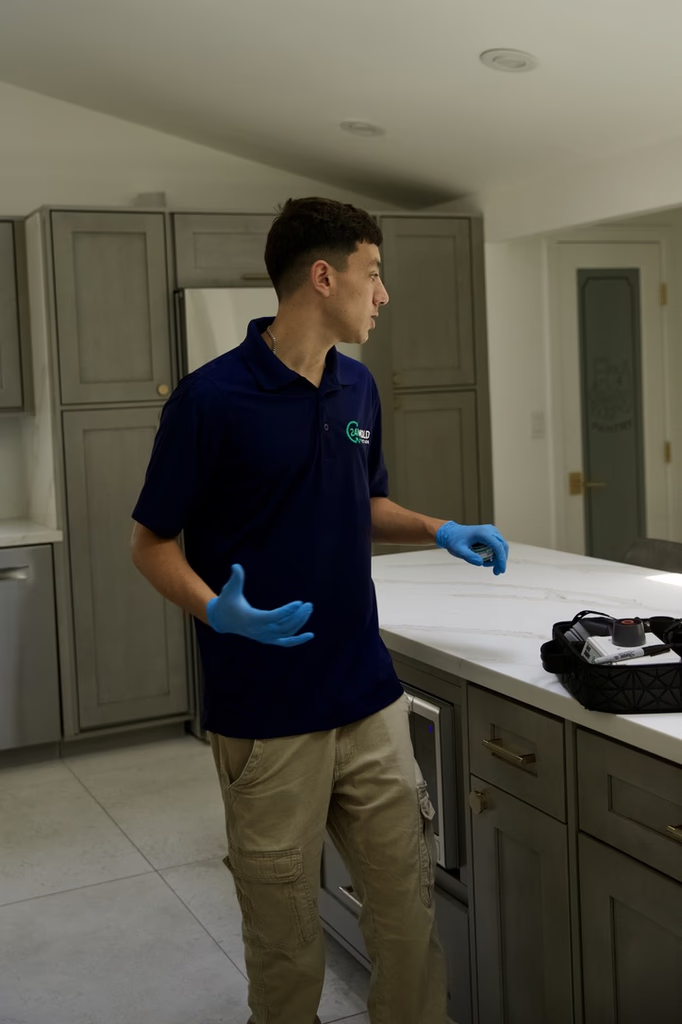
Mold inspector at work

Benefits

What you get from thermal imaging

Find hidden risks early without damaging the property

  • —Non-invasive: No drilling, no cutting, no surface damage.
  • —Early detection: Catches problems before damage becomes visible.
  • —Cost-effective: Targets repairs only where they're needed.
  • —Documented findings: Annotated thermal images included in the report.

About

How thermal imaging mold inspection works

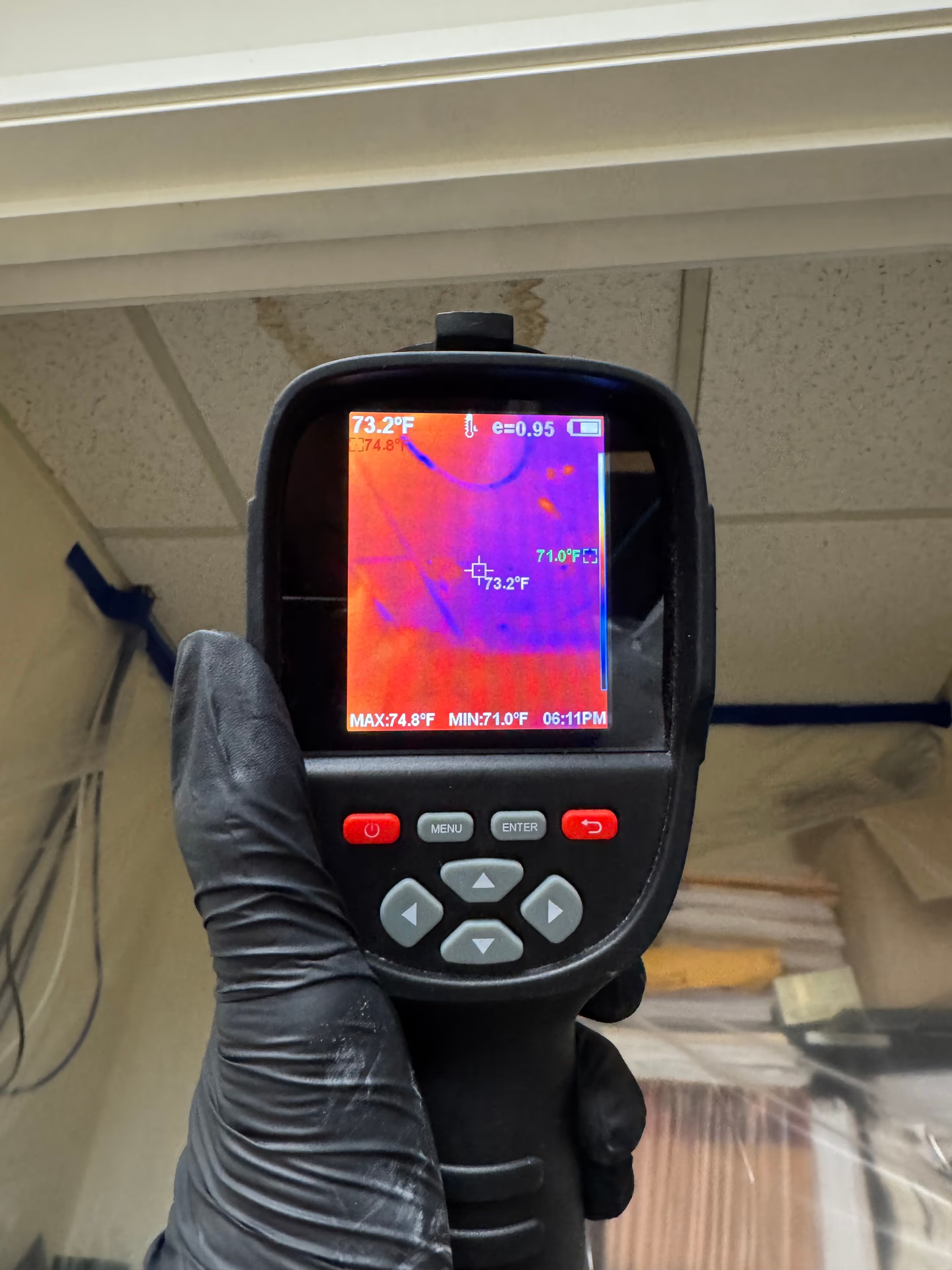
Our certified mold inspectors use FLIR cameras to read temperature differentials across surfaces. Cooler areas often signal water present in the material, even when no surface damage has appeared.

Our process includes:

  • —A complete thermal scan of key interior and exterior surfaces
  • —Identification of unusual cold or warm patterns in the readings
  • —Cross-checking thermal findings with calibrated moisture meters
  • —A mold inspection report including the annotated thermal images
How thermal imaging mold inspection works

Mold inspection Beverly Hills FAQ

Call For An Inspection
The Beverly Hills Flats' original Hollywood-era estates carry moisture risks proportional to their age and scale. Estate-scale plumbing networks — multiple kitchens, extensive bathroom configurations, staff quarters with their own plumbing — create more potential failure points than a standard residential property, and slow behind-wall leaks in a 1930s galvanized supply line inside a finished mansion wall can run for months before the surface shows damage. Original foundation walls in these properties were built without waterproofing membranes, and the below-grade wine cellars, staff areas, and entertainment rooms common to Beverly Hills estate construction add below-grade spaces that allow ground moisture to migrate through. Properties that have been renovated multiple times often have original moisture infrastructure covered by new finishes rather than addressed.
Trousdale's flat-roofed modernist homes from the late 1950s and 1960s present specific moisture challenges that pitched-roof construction doesn't share. Flat roofing on these properties has been replaced multiple times, and each replacement cycle changes how water is shed at the parapet and drain locations — the original drain placement often doesn't match current roofing system expectations, creating ponding at new locations. The extensive glazing defining these homes creates large thermal bridge surfaces where condensation accumulates on cool nights, and the accumulated condensation that runs down interior glass is absorbed by whatever material is at the base of the glazing system. Below-grade rooms carved into the Trousdale hillside deal with hydrostatic pressure from the slope terrain above.
Yes — and for reasons specific to hillside estate construction at this scale. Beverly Hills Post Office and canyon properties have below-grade footprints that are proportionally much larger than a standard hillside home — entertainment levels, garages, and mechanical rooms carved into the hillside sit in direct contact with the slope terrain. Retaining walls and perimeter drainage systems on these properties are now 40 to 60 years old and require active maintenance to function as designed — when those systems fail, hillside moisture redirects toward the below-grade levels invisibly. The canyon terrain's cold-air drainage pattern produces significant temperature differentials that drive condensation on interior surfaces in below-grade rooms that the above-grade living areas don't experience.
Contact an independent mold inspection company — one that performs no remediation work — before contacting a remediation contractor. The inspection company's role is to document what's present, identify the moisture source, and define the affected area through lab-verified sampling. That documentation gives you an accurate, independent scope that you can take to multiple remediation contractors for comparable bids. A remediation contractor who also offers to inspect your property has a financial interest in finding more than the instruments confirm. In Beverly Hills' estate market, where remediation scopes can be substantial and contractor bids vary widely, independent inspection documentation is the starting point that protects your position.
Air quality testing draws a measured volume of air through a spore trap at each area of concern alongside an outdoor control sample. The outdoor sample establishes the local background spore level, and indoor results are interpreted against that baseline. In Beverly Hills' canyon properties — Benedict Canyon and Coldwater Canyon — the outdoor baseline includes elevated natural spore counts from the surrounding woodland, and the test interpretation needs to account for that rather than using inland or coastal reference ranges. Air testing is the right choice when someone has respiratory symptoms or a musty odor but there's nothing visible to sample, and for estate-scale properties where a visual inspection can't realistically cover the full below-grade footprint.
Our Beverly Hills team covers all of Beverly Hills — the Flats, Trousdale Estates, the Post Office area, Benedict Canyon, and Coldwater Canyon — plus Beverlywood with same-day and next-day appointments and 24/7 emergency response. Several neighboring cities have their own dedicated 24H Mold Inspection pages: Los Angeles, Santa Monica, and Culver City each have separate coverage with their own local teams. If your property is in one of those cities, that page will have the most relevant local information.
Inspection and testing only. In Beverly Hills' estate market, where remediation scopes in hillside properties and large historic estates can be substantial and contractor bids vary widely, having an independent inspection that defines the scope before contractors are engaged is particularly important. A company with cleanup work to sell has a financial reason to find more than the instruments confirm. What you receive is the diagnosis: extent of growth, moisture source, lab-confirmed species, and a written scope you can use to get comparable bids from multiple contractors on the same defined terms.

Contact

Book your Beverly Hills mold inspection today

Tell us what's going on and we'll respond the same day

Location

24H Mold Inspection of Beverly Hills

Hours

  • MondayOpen 24 hours
  • TuesdayOpen 24 hours
  • WednesdayOpen 24 hours
  • ThursdayOpen 24 hours
  • Friday6 AM – 6 PM
  • SaturdayClosed
  • SundayOpen 24 hours

Service area neighborhoods

  • Beverly Hills Flats
  • Beverly Hills Post Office
  • Trousdale Estates
  • Benedict Canyon
  • Coldwater Canyon
Call For Service(323) 941-3775