
24H Mold Inspection
Arleta24/7 EMERGENCY(818) 813-8933
HomeOur ServicesMold InspectionResidential Mold Inspection
Mold Inspection

Residential Mold Inspection

Certified mold and moisture inspection for the places you live. Clear answers for your family, your lease, your sale, or your next-door rental.

Overview

Residential mold inspection for the place you live

Mold in a home is rarely just a cosmetic problem. It usually follows a slow leak, poor ventilation, or past water damage that never fully dried, and it affects air quality, allergies, and how the place feels long before any growth becomes visible. Our residential mold inspection is structured around how families really use their homes: kids' bedrooms, primary suites, bathrooms, laundry rooms, basements, attics, and anywhere plumbing runs hidden behind walls. Whether you own the place, you're renting, or you're under contract on a sale, we document what's there clearly, explain the findings in language anyone can follow, and tell you whether sampling or remediation makes sense as a next step. We don't sell the cleanup, so we have no reason to push you toward work you don't need.
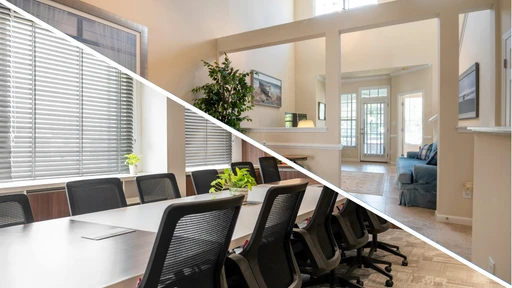
Residential mold inspection for the place you live

Coverage

Every residential mold inspection we handle

One careful process, applied to single-family houses, multi-family buildings, and the rentals in between

Single-family homes and townhomes

From starter homes to long-term family residences, with focus on hidden moisture and the slow leaks that lead to bigger problems.

Condos and co-ops

Shared walls, shared plumbing, and shared HVAC create unique mold risks. Our certified mold inspectors document conditions for owners and HOA boards alike.

Duplexes and small multi-family

Two-unit, three-unit, and small multi-family residential properties get the same careful inspection process as single-family, with separate reporting per unit when needed.

Rental units (tenant or landlord)

Independent residential mold inspection reports protect both tenants and landlords, with documentation that holds up for lease disputes, insurance, and habitability claims.

Proven Trust

365+ homes trust us with their mold inspection

Homeowners, buyers, and property managers come back to us for fast scheduling, clean documentation, and reports they can hand to contractors, insurers, or a real estate team. No conflict of interest, because we inspect and test, never remediate.

Mold inspection Arleta FAQ

Call For An Inspection
No. 24H Mold Inspection of Arleta inspects and tests only, and we never perform remediation or removal — that separation is deliberate. In Arleta's post-war slab tracts the visible patch is usually the smaller half of the problem: the water behind it is often a supply line failing under the slab, an aging cast-iron sewer lateral, a roof-to-wall detail on a 1970s addition, or a converted garage sitting on bare concrete. A company that bills for the cleanup has a financial reason to keep finding more of it. What we produce is the diagnosis — what is growing, which moisture source is feeding it, how far it extends behind walls or under flooring, and lab confirmation of what the samples contain. You take that report to remediation contractors and get comparable bids on a defined scope instead of a walkthrough guess. When the work is done, we can return for independent verification, which carries weight with insurers, landlords, and buyers precisely because we had no part in the removal.
Both, and the overlap is built into the geography here. Arleta and Pacoima share the 91331 ZIP code, so an address a block either side of Branford or Osborne can carry a mailing city that does not match the neighborhood — a lot of people searching for mold inspection in Pacoima are standing in Arleta, and the reverse happens just as often. Our team works the whole northeast Valley from one dispatch: Pacoima, Mission Hills, Panorama City, Sun Valley, Sylmar, San Fernando, and Van Nuys are all minutes away, which is what makes same-day appointments realistic. Several of those communities have their own 24H Mold Inspection page written around that area's housing stock, so if your property is in Van Nuys, Panorama City, or Sun Valley, start there. Inside Arleta we cover everything from the Woodman Avenue and Van Nuys Boulevard corridors to the streets backing the Pacoima Wash and the Branford and Sheldon industrial edge. If you are not sure which team fits your address, call the number on this page.
No. A general home inspection is a broad condition survey — roof, electrical, plumbing, appliances — and its mold coverage stops at what is visible in accessible areas; most contracts exclude mold outright. A mold inspection is narrow and instrument-driven: thermal imaging and moisture meters to find wet material behind stucco and drywall, attic and sub-area entry, and lab-analyzed air or surface samples when something turns up. That gap matters in Arleta because most of the for-sale inventory is 1940s through 1960s slab-on-grade construction, where a supply line failing under the slab shows up first as a warm spot in the floor, a running meter, or a musty closet rather than a stain anyone can see. Add garage conversions and additions built across several decades and permit eras, and there is a lot a condition survey is not scoped to open up. Most buyers here do both: the home inspection for overall condition, and a mold inspection when that report notes staining, odor, past water damage, or a sealed-off attic.
Because the northeast Valley runs hot and most Arleta homes put their air conditioning where the heat is. Summer attic temperatures under these low-pitched 1950s roofs routinely pass 130 degrees, and the ducts and air handler serving the house sit up in it. Where duct insulation has torn or a plenum connection has pulled loose, cold supply air meets superheated attic air and condensation forms on the metal, then drips onto the insulation and ceiling drywall below — damage that looks like a roof leak but peaks in August instead of February. Older attics here also carry leftovers from rooftop evaporative coolers, whose curbs and supply lines were often abandoned in place at the roof deck, and vents sized for the original smaller house that later got buried under blown-in insulation during a rebate upgrade. An attic inspection covers the sheathing, the duct runs, bath and dryer vent terminations, and every roof penetration.
Leave it alone. Do not scrub it, bleach it, or cut it out — disturbing growth pushes spores through the rest of the house and destroys the evidence needed to scope the cleanup. Close off the room and shut down the HVAC, which matters more here than in most housing because Arleta homes run their ducts through the attic and a single return can move spores into every bedroom in minutes. Photograph what you see, then have it sampled: dark growth is frequently a common species such as Cladosporium or Aspergillus rather than Stachybotrys, and no one can tell them apart by eye, so a surface sample for identification plus air samples for spread is what turns a guess into a plan. The water source matters just as much. In these slab tracts it is usually a line under the floor, an aging sewer lateral, or a roof-to-wall seam on an addition; in a duplex or fourplex along Woodman it is often a neighbor's plumbing on the far side of a shared wall.
California does not license mold inspectors as a trade — the state's 2001 Toxic Mold Protection Act never produced permissible exposure limits — so certification and method are what separate a real assessment from a quick look. Ours starts with the water history: what leaked, when, what was repaired, and whether anyone has been sick. Then an exterior walk for grade and drainage, moisture meters along baseboards and slab-adjacent walls, thermal imaging over suspect areas, and entry into the attic and any crawl space. Sampling comes last and only where the walk-through justifies it, always with an outdoor baseline for comparison. In Arleta the standing questions are the slab, the age of the sewer lateral, whether the garage has been converted, and how the attic ducting is holding up. The report should name the moisture source and where it goes, not just list spore counts — a number without a cause is not something a contractor can bid on.
Yes, and it is one of the more common calls we get here. Arleta has some of the largest average household sizes in Los Angeles and a long history of garages turned into bedrooms and rental units, many finished before the state's ADU laws or without permits at all. The mold-relevant issue is the slab. Garage slabs were poured without the vapor barrier required under living space and typically slope toward the old door opening, so ground moisture wicks up through carpet or laminate laid straight over concrete. Add framing furred against an uninsulated wall, a bathroom vented into the attic or nowhere, and a window cut in without flashing, and the room runs damp year-round regardless of the weather. We check moisture in the slab, the perimeter where the old door was framed in, the roof-to-wall connection where the garage meets the house, and any bath or laundry venting — plus the wall shared with the main house, where the problem usually shows up next.

Contact

Book your Arleta mold inspection today

Tell us what's going on and we'll respond the same day

Location

24H Mold Inspection of Arleta

Service area neighborhoods

  • Arleta Heights
  • Woodman Avenue corridor
  • Pacoima Wash area
  • Branford district
  • Van Nuys Boulevard corridor
  • Sheldon Street area
  • Pacoima adjacent neighborhoods
  • Mission Hills border area
Call For Service(818) 813-8933